This classic spaghetti carbonara recipe delivers authentic Roman pasta perfection using just five simple ingredients: eggs, pecorino romano cheese, guanciale (cured pork jowl), black pepper, and spaghetti. No cream, no garlic, no peas—just the pure, silky elegance that has made carbonara one of Italy’s most beloved dishes. Whether you’re a pasta enthusiast or attempting carbonara for the first time, this comprehensive guide reveals the techniques that Italian nonnas have perfected over generations.
Learning an authentic classic spaghetti carbonara recipe means understanding that simplicity requires precision. Unlike cream-heavy Americanized versions, true carbonara achieves its signature creamy texture through careful emulsification of eggs and starchy pasta water with rendered pork fat and sharp cheese. The result is luxuriously smooth sauce that coats each strand of pasta without scrambling, creating a dish that’s both comforting and sophisticated.
According to Serious Eats’ Italian cooking experts, the secret to mastering this classic spaghetti carbonara recipe lies in temperature control and timing. With proper technique, you’ll create carbonara that rivals the best Roman trattorias, impressing guests with restaurant-quality Italian cuisine made entirely from pantry staples.
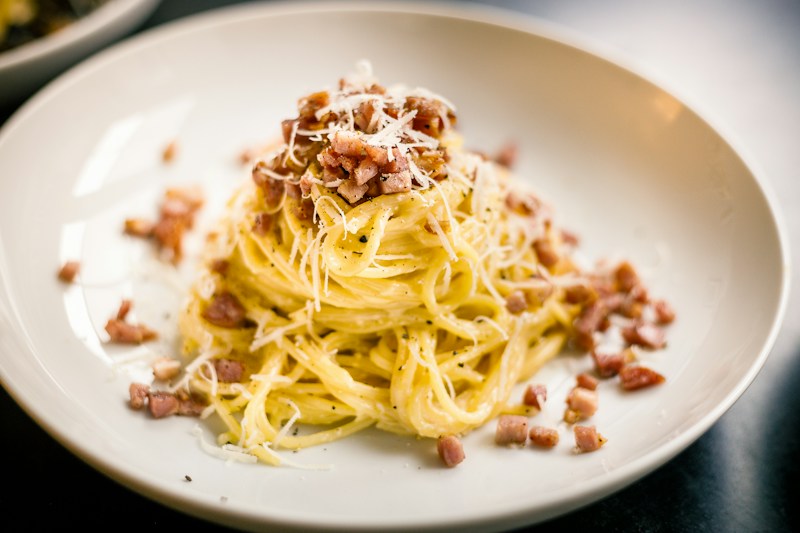
Why This Classic Spaghetti Carbonara Recipe Works
This classic spaghetti carbonara recipe succeeds because it respects the four fundamental principles of Roman carbonara: quality ingredients, proper ratios, controlled heat, and vigorous tossing. The magic happens when hot pasta meets the egg-cheese mixture off the heat—the residual warmth creates a silky emulsion while the starchy pasta water adds body without diluting flavor.
Many home cooks fear scrambled eggs when making this classic spaghetti carbonara recipe, but understanding the science eliminates anxiety. Eggs begin coagulating at 140°F (60°C), so working with pasta that’s hot but not boiling (around 160-170°F) gives you a safe window. The constant motion while tossing distributes heat evenly, preventing any single spot from getting hot enough to scramble while still cooking the eggs to creamy perfection.
Essential Ingredients for Classic Spaghetti Carbonara Recipe
Guanciale: The Traditional Pork
The most authentic ingredient in this classic spaghetti carbonara recipe is guanciale—cured pork jowl with distinctive marbling that renders into sweet, rich fat. Unlike pancetta (pork belly) or bacon, guanciale has higher fat content and delicate pork flavor without smokiness. Italian specialty shops and upscale grocers often stock it, or order from online Italian food purveyors.
When rendered slowly for this classic spaghetti carbonara recipe, guanciale becomes crispy while releasing enough fat to coat the pasta. The fat carries flavor throughout the dish and helps create the creamy emulsion when combined with eggs and pasta water. If guanciale is truly unavailable, pancetta is the next best choice, followed by thick-cut, high-quality bacon (though bacon’s smokiness alters the traditional flavor profile).
Pecorino Romano: Sharp and Salty
Pecorino Romano cheese is non-negotiable in authentic classic spaghetti carbonara recipe preparation. This sheep’s milk cheese from the Lazio region (where Rome is located) delivers sharp, salty, tangy flavor that defines carbonara’s taste. Its assertive character stands up to rich pork fat and cuts through the richness of egg yolks.
Always buy pecorino in blocks and grate it yourself just before using in this classic spaghetti carbonara recipe. Pre-grated cheese contains anti-caking agents that prevent smooth melting. Use the finest holes on your grater or a microplane—finely grated cheese melts more easily into the warm egg mixture, creating the silky texture that makes carbonara legendary. If pecorino is too sharp for your palate, a 50/50 blend with Parmigiano-Reggiano offers milder flavor while maintaining authenticity.
Eggs: The Creamy Foundation
This classic spaghetti carbonara recipe uses a combination of whole eggs and egg yolks for optimal texture. Yolks provide richness, fat, and golden color, while whites add structure that helps the sauce cling to pasta without being too heavy. The ratio of 4 yolks to 2 whole eggs (for 4 servings) creates perfect balance.
Room temperature eggs are crucial for this classic spaghetti carbonara recipe because cold eggs are harder to emulsify and more likely to form lumps when meeting hot pasta. Take eggs out of the refrigerator 30-60 minutes before cooking. Quality matters—farm-fresh eggs with deep orange yolks create more vibrant color and richer flavor than standard supermarket eggs.
Common Mistakes When Making Classic Spaghetti Carbonara Recipe
Even experienced home cooks stumble when attempting this classic spaghetti carbonara recipe. Understanding these frequent errors helps you avoid them:
- Adding cream: The cardinal sin! Authentic carbonara never contains cream. The creaminess comes from emulsified eggs and cheese only.
- Scrambling the eggs: Adding eggs to pasta that’s too hot or not tossing constantly creates scrambled eggs instead of silky sauce in this classic spaghetti carbonara recipe.
- Using cold eggs: Cold eggs don’t emulsify smoothly. Always bring to room temperature before making carbonara.
- Pre-grated cheese: Anti-caking agents in pre-grated cheese prevent smooth melting, creating grainy texture instead of creamy sauce.
- Draining pasta completely: Some clinging pasta water is beneficial. Never rinse pasta for this classic spaghetti carbonara recipe.
- Not reserving pasta water: Pasta water is essential for adjusting consistency and helping emulsification. Always reserve at least 2 cups.
- Adding garlic or onions: Traditional Roman carbonara contains no aromatics—just pork, eggs, cheese, pepper, and pasta.
- Overcooking guanciale: It should be crispy but tender, not hard. Slow rendering over medium-low heat is key to this classic spaghetti carbonara recipe.
- Serving lukewarm: Carbonara must be served piping hot immediately after preparation. It doesn’t hold well.
Delicious Variations of Classic Spaghetti Carbonara Recipe
Carbonara with Vegetables
While purists might object, adding vegetables creates a more complete meal without sacrificing the essence of this classic spaghetti carbonara recipe. Peas, asparagus, or mushrooms work well—sauté them separately and add just before serving. The vegetables should complement, not dominate, the dish. Blanched broccolini or roasted cherry tomatoes also pair beautifully with carbonara’s richness.
Rigatoni or Bucatini Carbonara
While spaghetti is traditional, this classic spaghetti carbonara recipe adapts beautifully to other pasta shapes. Rigatoni’s ridges and hollow center capture sauce wonderfully. Bucatini (thick spaghetti with a hole through the center) offers satisfying bite and sauce delivery. Any long or short pasta works as long as it has texture to grip the creamy sauce.
Carbonara-Style Frittata
Transform leftover carbonara into breakfast by making a frittata. Mix cold carbonara with beaten eggs and cook in a skillet until set. This creative adaptation of classic spaghetti carbonara recipe flavors makes an elegant brunch dish that reduces food waste while delivering carbonara’s beloved taste in new form.
Vegetarian “Carbonara”
While not traditional, vegetarians can adapt this classic spaghetti carbonara recipe by substituting smoked tempeh or mushroom “bacon” for guanciale. Use the same egg-cheese technique for creaminess. While the flavor differs from authentic carbonara, the technique and textural experience remain similar, offering plant-based eaters a taste of this Italian classic.
Perfect Wine Pairings for Classic Spaghetti Carbonara
Pairing wine with this classic spaghetti carbonara recipe requires considering the dish’s richness and saltiness. Italian wines naturally complement carbonara since they’re designed to match Italian cuisine:
- Verdicchio: This crisp white from Marche region cuts through carbonara’s richness with bright acidity and minerality
- Frascati: Local to Rome, this light white wine is the traditional pairing with classic spaghetti carbonara recipe in Roman trattorias
- Soave: Venetian white wine with enough body to stand up to rich eggs and pork while maintaining refreshing qualities
- Pinot Grigio: Higher quality examples (not mass-market versions) offer crisp acidity that cleanses the palate between bites
- Chianti: For red wine lovers, young Chianti’s acidity and light tannins complement this classic spaghetti carbonara recipe without overwhelming it
- Prosecco: Sparkling wine’s bubbles and acidity make it festive pairing that cuts richness beautifully
The Science Behind Perfect Carbonara Sauce
Understanding the science elevates your classic spaghetti carbonara recipe success rate. Carbonara sauce is essentially a warm emulsion—a stable mixture of fat (from guanciale), protein (from eggs), and liquid (pasta water). The magic happens when these components combine at the right temperature with proper agitation.
Egg yolks contain lecithin, a natural emulsifier that helps fat and water stay mixed instead of separating. When making this classic spaghetti carbonara recipe, the hot pasta (around 160-170°F) provides just enough heat to partially cook the eggs into custard consistency without reaching scrambling temperature (180°F+). The constant tossing distributes heat evenly while the starchy pasta water adds body and helps stabilize the emulsion.
Pecorino cheese contributes both flavor and texture to this classic spaghetti carbonara recipe. As it melts into the warm egg mixture, cheese proteins unfold and help thicken the sauce. The salt in pecorino also seasons the dish while its fat content adds richness. This scientific understanding explains why each ingredient and technique in carbonara serves a specific purpose—it’s not just tradition, it’s chemistry creating culinary magic.
Carbonara’s History and Cultural Significance
The origins of this classic spaghetti carbonara recipe remain debated among food historians. One popular theory traces it to carbonai (charcoal workers) in the Apennine mountains who created hearty pasta using preserved ingredients—eggs, cured pork, and cheese—that didn’t require refrigeration. The abundant black pepper supposedly resembles coal dust, giving the dish its name.
Another theory suggests this classic spaghetti carbonara recipe emerged in Rome after World War II when American soldiers’ bacon and powdered eggs combined with Italian pasta-making traditions. Whatever its true origins, carbonara became a Roman staple by the 1950s, cementing its place in Italian culinary canon alongside amatriciana, cacio e pepe, and gricia—the other classic Roman pasta dishes.
Today, this classic spaghetti carbonara recipe represents Italian cooking philosophy: few ingredients, impeccable quality, proper technique. Romans take carbonara seriously—adding cream, garlic, or mushrooms would horrify traditional cooks. The dish’s global popularity has spawned countless variations, but true carbonara remains elegantly simple, proving that masterful cooking doesn’t require complexity, just skill and respect for ingredients.
Serving Suggestions and Side Dishes
While this classic spaghetti carbonara recipe stands beautifully on its own, complementary sides create a complete Italian meal:
- Simple Green Salad: Arugula dressed with lemon juice and olive oil provides peppery freshness that cuts carbonara’s richness
- Roasted Vegetables: Asparagus, broccoli, or Brussels sprouts roasted with olive oil offer healthy contrast to indulgent pasta
- Bruschetta: Toasted bread rubbed with garlic and topped with diced tomatoes adds freshness and crunch to your classic spaghetti carbonara recipe meal
- Caesar Salad: Though not Italian, Caesar’s similar richness and umami work surprisingly well alongside carbonara
- Garlic Bread: Simple and crowd-pleasing, though purists might skip bread when serving pasta
- Tiramisu: End the meal with this classic Italian dessert for a complete Roman-inspired dinner featuring your classic spaghetti carbonara recipe
Storing and Reheating Carbonara (If You Must)
Honestly, this classic spaghetti carbonara recipe doesn’t store well—the egg-based sauce separates and loses its creamy texture when cooled and reheated. Carbonara is best enjoyed immediately after preparation. However, if you have leftovers, store them in an airtight container in the refrigerator for up to 2 days maximum.
To reheat this classic spaghetti carbonara recipe with minimal texture loss, use a skillet over low heat with a splash of water or cream (yes, cream—you’re already reheating, so authenticity is compromised). Stir gently and constantly, adding liquid as needed until warmed through. The sauce won’t be as silky as fresh carbonara, but this method prevents total disaster. Alternatively, eat it cold as a pasta salad—different from intended but still tasty.
The better approach: cook fresh carbonara in smaller batches. Since this classic spaghetti carbonara recipe takes only 25 minutes from start to finish, making it fresh ensures optimal texture and flavor. Consider it one of those dishes best made to order, like a soufflé or omelet, where the magic lies in immediate consumption.
Frequently Asked Questions About Classic Spaghetti Carbonara Recipe
Can I make carbonara without guanciale?
Yes, though it changes the flavor slightly. Pancetta is the closest substitute for this classic spaghetti carbonara recipe, followed by thick
 0
0 20
20 20
20 20
20