Cape Town Travel Guide – Best Things to Do in Cape Town 2024
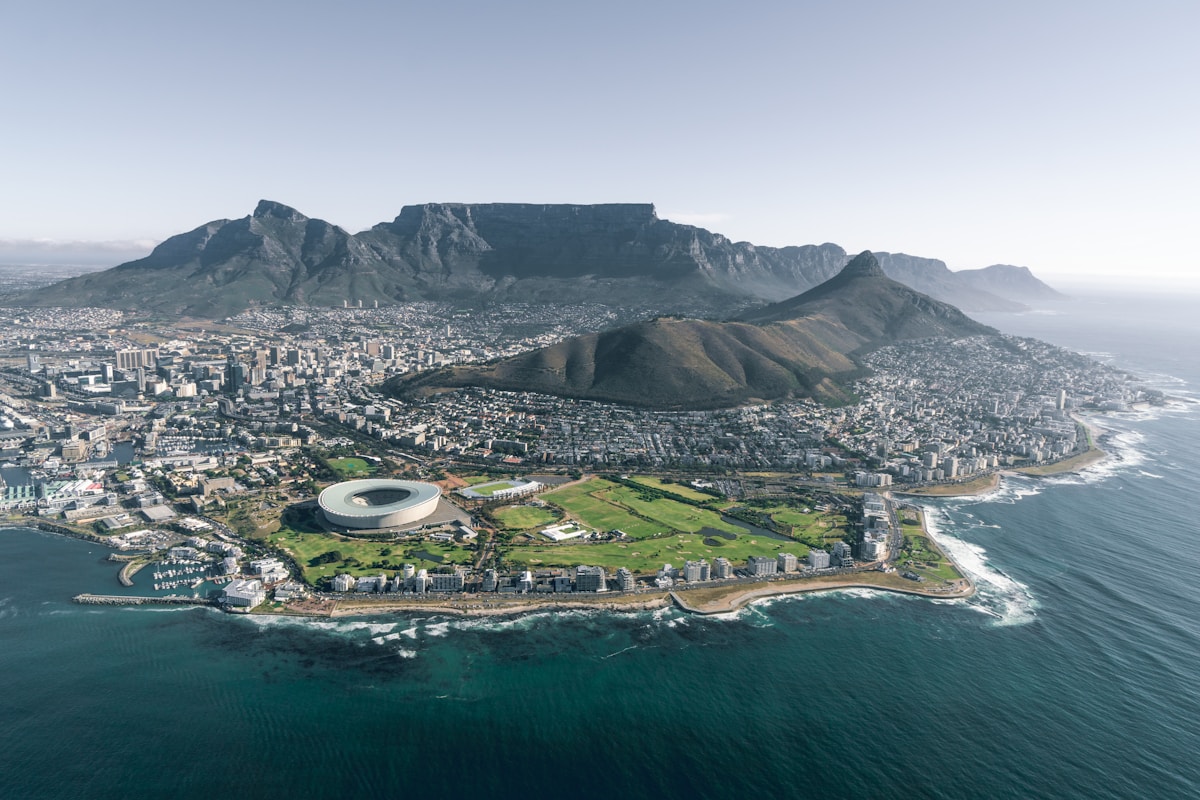
Welcome to the ultimate Cape Town travel guide! Known as the “Mother City” of South Africa, Cape Town is consistently voted one of the world’s most beautiful cities. Nestled between the iconic Table Mountain and the Atlantic Ocean, Cape Town offers stunning natural beauty, world-class wine regions, diverse wildlife, vibrant culture, and a fascinating history. This comprehensive cape town travel guide will help you experience the best of this remarkable destination.
Whether you’re seeking adventure on Table Mountain, wildlife encounters with penguins, wine tasting in Stellenbosch, or relaxing on pristine beaches, this cape town travel guide covers everything from must-see attractions to hidden local gems, safety tips, and insider recommendations that will make your South African adventure unforgettable.
Why You Need This Cape Town Travel Guide
Cape Town is a city of contrasts and complexities. From navigating safety concerns to choosing between countless incredible experiences, planning can be overwhelming. This cape town travel guide provides honest, practical advice to help you maximize your time, stay safe, find authentic experiences, and discover why Cape Town captures the hearts of millions of visitors each year.
Exploring more destinations? Check out our Paris Travel Guide, Tokyo Travel Guide, and Hong Kong Travel Guide!
Best Time to Visit Cape Town – Cape Town Travel Guide Seasonal Info

Timing your visit is crucial for any cape town travel guide. Cape Town has a Mediterranean climate with seasons opposite to the Northern Hemisphere:
Summer (December-February): Peak season according to this cape town travel guide! Warm, dry weather (20-30°C/68-86°F), perfect beach days, outdoor festivals, and long sunny evenings. Beaches are packed, attractions crowded, and prices at their highest. Book accommodations 3-4 months ahead. The infamous “Cape Doctor” (strong southeast wind) can be intense. Perfect for beach lovers and outdoor activities!
Autumn (March-May): Excellent time to visit! Comfortable temperatures (15-25°C/59-77°F), fewer crowds, wine harvest season, and beautiful golden light. March still feels like summer with warm days. Ideal for wine tours, hiking, and sightseeing without peak season prices. One of the best periods according to this cape town travel guide.
Winter (June-August): Rainy and cool (8-18°C/46-64°F), but far from unbearable. Most rain falls during night, mornings often clear. Whale watching season (June-November)! Dramatically cheaper accommodation (50-70% off peak), no crowds, and cozy wine tasting weather. Perfect for whale watching in Hermanus, visiting museums, and exploring the city. Great for budget travelers!
Spring (September-November): Another fantastic time! Wildflower season (August-September) transforms landscapes into colorful carpets. Warming temperatures (14-22°C/57-72°F), occasional rain, baby animals at safari parks, and shoulder season prices. Whales still visible through November. Highly recommended in this cape town travel guide!
Cape Town Travel Guide Pro Tip: Visit during March-April or October-November for the best balance of weather, wildlife, smaller crowds, and reasonable prices. Avoid December-January unless you love crowds and don’t mind paying premium rates!
Top Attractions in This Cape Town Travel Guide
No cape town travel guide is complete without covering the city’s spectacular attractions:
1. Table Mountain

The iconic flat-topped mountain dominating Cape Town’s skyline at 1,085 meters (3,558 feet). One of the New7Wonders of Nature, Table Mountain offers breathtaking 360-degree views of the city, ocean, and surrounding landscapes. An absolute must according to this cape town travel guide!
Cape Town Travel Guide Table Mountain Tips:
- Cable car rotates 360° during ascent – everyone gets views! Cost: R395 adults return (book online for discount)
- Check weather before going – cable car closes in high winds (very common!)
- Go early morning (first car 8 AM) or late afternoon for best light and fewer crowds
- Book tickets online 1-2 days ahead – can save 2+ hour queue
- Budget option: Hike up! Multiple routes (Platteklip Gorge easiest, 2-3 hours, moderate fitness needed)
- Bring layers – it’s significantly colder and windier on top (10°C+ difference)
- Allow 1-2 hours on summit to explore and take photos
- Sunset from Table Mountain is magical – last cable car around 8:30 PM in summer
Alternative viewpoints: Lion’s Head (easier hike, sunrise/sunset), Signal Hill (drive or short walk, sunset), Chapman’s Peak Drive
2. V&A Waterfront
Cape Town’s premier entertainment and shopping destination built around a working harbor. Over 450 shops, 80+ restaurants, bars, museums, and entertainment venues. While touristy, it’s well-done and offers something for everyone. Safe area to explore day and night.
Cape Town Travel Guide V&A Highlights:
- Two Oceans Aquarium – excellent, especially kelp forest exhibit (R265 adults)
- Zeitz MOCAA – contemporary African art museum in converted grain silo (R220, worth it!)
- Waterfront sunset cruise – harbor tour with wine/sunset views (R150-400)
- Nobel Square – life-size statues of South Africa’s four Nobel Peace Prize winners
- Craft markets on weekends – local artisan goods and food
- Seal colony visible from harbor – free entertainment!
- Great restaurants: Willoughby & Co (seafood), Den Anker (Belgian), Nobu
Budget tip: Free live entertainment daily, beautiful harbor walks, seal watching – plenty to do without spending!
3. Robben Island
UNESCO World Heritage Site where Nelson Mandela was imprisoned for 18 years. Incredibly moving and educational tour led by former political prisoners. Essential for understanding South Africa’s history and the struggle against apartheid. A must-visit in any cape town travel guide.
Cape Town Travel Guide Robben Island Tips:
- Book tickets weeks in advance – tours sell out quickly (R550 adults)
- Tours depart from V&A Waterfront – 30-minute ferry ride each way
- Total experience 3.5-4 hours – allocate half a day
- Ferry can be rough – take seasickness meds if prone
- Tours include bus around island and walking tour of prison
- Former prisoners share personal stories – deeply impactful
- Weather-dependent – tours cancelled in bad conditions (refund issued)
- Bring ID – required for ticket collection
Historical context: Prison from 1961-1991, housed political prisoners including Mandela. Now powerful symbol of triumph over oppression.
4. Boulders Beach Penguin Colony
Home to over 3,000 African penguins! One of only two mainland penguin colonies in Africa. See these adorable endangered birds up close in their natural habitat. Located in Simon’s Town, about 45 minutes from Cape Town. Unique experience you won’t find elsewhere!
Cape Town Travel Guide Penguin Tips:
- Entry fee: R190 adults (conservation fee, worth it!)
- Visit early morning (8-9 AM) or late afternoon (4-5 PM) for most active penguins
- Two viewing areas: Foxy Beach (better viewing) and Boulders Beach (swimming possible)
- Wooden boardwalks protect penguins – stay on paths!
- Bring camera with zoom – can’t touch penguins (they bite!)
- Combine with Cape Point tour – same direction
- Penguins year-round but breeding season (February-August) is most interesting
- Can swim at nearby beaches – penguins sometimes join you!
Conservation note: African penguins are endangered. Your entry fee supports vital conservation efforts.
5. Cape of Good Hope & Cape Point
The southwestern tip of Africa (not southernmost – common misconception!). Dramatic coastal scenery, lighthouse with spectacular views, and part of Table Mountain National Park. Wildlife includes baboons, ostriches, antelope, and whales (in season). Stunning natural beauty!
Cape Town Travel Guide Cape Point Tips:
- Park entry: R375 adults, R190 children (SANPARKS Wild Card saves money if visiting multiple parks)
- 75km from Cape Town – allocate full day for round trip
- Drive is half the experience – Chapman’s Peak Drive (toll R56) is incredibly scenic
- Funicular to lighthouse (R80) or hike up (15-20 minutes, steep but manageable)
- Baboons everywhere – do NOT feed them! Keep car windows closed, bags secure
- Stop at Cape of Good Hope sign for iconic photo – queue can be long midday
- Combine with: Boulders Beach, Simon’s Town naval base, Muizenberg colorful beach huts
- Bring food – restaurant expensive and mediocre. Picnic spots available
- Wind can be extreme – bring jacket even on hot days!
Scenic route: Return via Chapman’s Peak Drive at sunset for unforgettable views (one direction only during whale season)
Love nature and wildlife? You might also enjoy our Tokyo Travel Guide and Paris Travel Guide for different urban experiences!
Hidden Gems in Our Cape Town Travel Guide
This cape town travel guide reveals lesser-known spots offering authentic Cape Town experiences:
Kirstenbosch National Botanical Garden
One of the world’s great botanical gardens set against Table Mountain’s eastern slopes. Over 7,000 plant species, beautiful lawns for picnics, and the famous Tree Canopy Walkway (“Boomslang”). Summer sunset concerts (November-April) are magical – bring picnic basket and wine! Entry R85, concerts R200-300.
Bo-Kaap
Historic Cape Malay neighborhood with brightly colored houses, cobblestone streets, and rich cultural heritage. Instagram-famous but still authentic residential area. Visit Bo-Kaap Museum (R30), take cooking class learning Cape Malay cuisine, or explore on guided walking tour (R200-400). Respectful tourism essential – people live here!
Woodstock & Salt River
Former industrial areas turned creative hubs. Street art, galleries, craft breweries, vintage shops, and trendy restaurants. Old Biscuit Mill Saturday market is fantastic – artisan food, crafts, live music. The Woodstock Exchange has independent designers. More authentic than Waterfront, safer than city center at night.
Muizenberg Beach
Famous for colorful Victorian beach huts but also best spot for beginner surfing! Warmer water (thanks False Bay), gentle waves, and numerous surf schools (R350-500 for 2-hour lesson). Less crowded than Camps Bay, more laid-back vibe. Great fish and chips at Knead bakery nearby.
Hout Bay Seal Island
Boat trips to Duiker Island see 5,000+ Cape fur seals! More affordable and accessible than shark cage diving. Boats depart hourly (R120 adults, 45 minutes). Combine with Chapman’s Peak Drive and fish market lunch in Hout Bay. Mariners Wharf for fresh seafood!
Company’s Garden
Historic park in city center dating to 1650s – originally vegetable garden for Dutch East India Company ships. Free entry, beautiful for lunch break, has rose garden, aviary, and resident squirrels. Surrounded by museums (National Gallery, Jewish Museum, South African Museum). Perfect green space escape from city buzz.
Cape Town Wine Country – Cape Town Travel Guide Wine Tours

World-class wine regions within 1 hour of Cape Town! This cape town travel guide covers the essential winelands:
Stellenbosch (45 min): Most famous wine region. Historic university town, oak-lined streets, over 200 wine estates. Beautiful architecture, gourmet restaurants, and excellent wine. Must-visit estates: Delaire Graff (luxury), Tokara (views), Spier (family-friendly), Rust en Vrede (food pairing). Can explore by bike!
Franschhoek (1 hour): “French Corner” – most gourmet region. Stunning mountain backdrop, French Huguenot heritage, and incredible restaurants. Wine Tram hop-on-hop-off experience (R350-950 depending on route). Famous for Cap Classique (South African champagne). More expensive but worth it!
Paarl (1 hour): Less touristy, excellent value. Nederburg and Fairview are highlights. Fairview famous for cheese and wine pairing – goats roam on roof! Beautiful mountain scenery, more space between estates.
Cape Town Travel Guide Wine Tour Tips:
- Book organized tour if drinking – drunk driving laws VERY strict (R150-1,200 per person depending on luxury level)
- Most estates charge R50-150 tasting fee (waived with purchase usually)
- Lunch at estates excellent value – R150-300 for gourmet meal with wine
- Visit 3-4 estates max per day – more is overwhelming and ruins palate
- Book lunch reservations ahead, especially weekends
- Harvest season (February-April) is special – see winemaking process
- Many estates kid-friendly – playgrounds, animals, picnic spots
- Buy wine to ship home – surprisingly affordable (check import rules)
Cape Town Neighborhoods – Cape Town Travel Guide Area Breakdown
Understanding Cape Town’s neighborhoods is essential for this cape town travel guide:
City Bowl: Historic center surrounded by mountains. CBD has museums, parliament, Company’s Garden. Budget accommodations but some areas unsafe at night. Gardens/Tamboerskloof safer, more upmarket. Great for backpackers on budget wanting central location.
V&A Waterfront: Most touristy but safest. Hotels expensive (R2,000-8,000/night) but walking distance to everything. Convenient for first-timers. Lacks authentic local feel but zero safety concerns day/night.
Sea Point/Green Point: Residential areas with ocean views. Safe to walk day/night, numerous restaurants, cafes, and bars. Atlantic Seaboard Promenade perfect for jogging/walking. More affordable than Camps Bay, safer than City Bowl. Great balance for travelers.
Camps Bay: Stunning beach backed by Twelve Apostles mountains. Upmarket, expensive restaurants/bars, celebrity spotting. Beautiful but pricey. Sunset drinks on the strip is must-do. Limited accommodation – book early.
Hout Bay: Fishing village feel, more laid-back and affordable. Beautiful bay, seal island trips, Chapman’s Peak Drive access. Slightly remote but charming. Good for longer stays wanting local experience.
Woodstock/Observatory: Artsy, creative neighborhoods. Cheaper accommodation, great food scene, authentic vibe. Some areas sketchy – research specific streets. Not for first-time visitors but great for repeat visitors wanting local experience.
Cape Town Travel Guide Safety Note: Research specific areas before booking. Some streets safe, others not – even within same neighborhood. Read recent reviews, check locations on Google Street View.
Cape Town Food Scene – Cape Town Travel Guide Dining
Cape Town’s food scene is world-class and affordable! This cape town travel guide covers essential culinary experiences:
Must-Try Cape Town Foods
- Braai (BBQ): South African tradition! Try boerewors (sausage), sosaties (kebabs), pap (maize porridge). Mzoli’s in Gugulethu for authentic township braai (with township tour for safety)
- Bobotie: Cape Malay curried mince with egg topping – comfort food! Try at Biesmiellah or Bo-Kaap restaurants
- Bunny Chow: Durban curry served in hollowed bread loaf – messy but delicious! R40-60 at Indian restaurants
- Line Fish: Whatever’s fresh that day! Snoek (local fish), yellowtail, kingklip. Try at Harbour House (Kalk Bay) or Olympia Café
- Gatsby: Cape Town’s famous submarine sandwich – massive, messy, delicious. R50-80 feeds 2-3 people! Try at Super Fisheries
- Koeksisters: Twisted doughnut soaked in syrup – sweet treat! Bakeries throughout city
- Biltong: Dried cured meat – like jerky but better! Buy at butcheries or airport
- Malva Pudding: Sweet spongy dessert with custard – heaven! Every restaurant has their version
Cape Town Travel Guide Restaurant Recommendations
Budget (R50-150): Jason Bakery (Portuguese), Royale Eatery (gourmet burgers), Clarke’s Bar & Dining Room, Neighbourgoods Market (Woodstock, Saturdays)
Mid-range (R150-400): The Test Kitchen (requires booking months ahead!), La Colombe (Constantia), Greenhouse (Cellars-Hohenort), Pot Luck Club (Silo District)
Seafood: Harbour House (Kalk Bay – stunning views), Codfather (Camps Bay – sushi), Willoughby & Co (V&A), Live Bait (Waterfront)
Cape Malay: Biesmiellah (Bo-Kaap), Marco’s African Place (Bo-Kaap), Noon Gun Tea Room & Restaurant
Cape Town Travel Guide Dining Tips
- Tipping 10-15% expected – service not always included
- Book popular restaurants 1-2 weeks ahead, especially The Test Kitchen (months!)
- Lunch specials offer excellent value – same quality, half the price
- BYO (bring your own wine) common – look for “corkage” fee (R30-50 per bottle)
- Food markets great value: Neighbourgoods (Saturday), Oranjezicht Market (Sunday), Bay Harbour Market (weekend evenings)
- Tap water safe to drink but often bottled water served (can refuse)
- South African wines incredibly affordable – R40-80 (USD$2-5) for good bottle at restaurant!
Getting Around – Cape Town Travel Guide Transportation
Cape Town’s public transport is limited. This cape town travel guide explains your options:
Car Rental (Recommended): Most flexible option for exploring. Roads excellent, driving on left side. R300-600/day for small car, R800-1,500 for SUV. International license required. GPS essential. Allows Cape Point, wine tours, exploring at your pace.
Cape Town Travel Guide Driving Tips:
- Drive on LEFT side – takes adjustment for Americans/Europeans
- Don’t leave valuables visible in parked car – smash-and-grab common
- Use secure parking (R10-20) – never street park in City Bowl
- Tank up before weekends – petrol stations can run dry during loadshedding
- Toll roads: Chapman’s Peak R56, N1/N2 no tolls
- Speed limits: 60 km/h urban, 100-120 km/h highways (strictly enforced!)
- Morning rush 7-9 AM, evening 4:30-6:30 PM – avoid if possible
Uber/Bolt: Affordable and safe for getting around. R50-150 most city trips. Reliable, English-speaking drivers, cashless payment. Essential after dark. Download both apps – compare prices.
MyCiTi Bus: Reliable bus network serving major areas. Requires myconnect card (R35 card + credit). R10-30 most trips. Limited routes but safe and clean. Good for Waterfront-City Bowl-Sea Point-Camps Bay.
Hop-On-Hop-Off Bus: Tourist buses with multiple routes (Red = city, Blue = beaches, Purple = wine lands). R295/day, valid 1-2 days. Convenient overview but limited flexibility. Good for first day orientation.
Taxi/Mini-bus Taxis: Official metered taxis expensive (similar to Uber). Mini-bus taxis (shared vans) very local but can be confusing/unsafe for tourists. Stick to Uber/Bolt instead.
Safari from Cape Town – Cape Town Travel Guide Wildlife Adventures

Cape Town isn’t traditional safari territory, but options exist! This cape town travel guide covers wildlife experiences:
Aquila Private Game Reserve (2 hours): Closest Big Five reserve. Day trips R2,500-3,500 including transport, game drive, and meals. Not as wild as Kruger but convenient. Overnight safaris available. Semi-captive environment but good for limited time.
Inverdoorn Game Reserve (2.5 hours): Another malaria-free option. Cheetah encounters, game drives. Similar pricing to Aquila. Good for families.
Garden Route Safari: Combine Cape Town with Garden Route (Knysna, Plettenberg Bay) and small game reserves (Addo Elephant Park, Gondwana). 5-7 day road trip. More adventure, better value than luxury safari.
Cape Town Travel Guide Safari Tip: For authentic safari, fly to Kruger National Park (2-hour flight, from R1,500) or visit Botswana/Zimbabwe after Cape Town. Day trip safaris near Cape Town decent introduction but not “real” safari experience purists seek.
Alternative Wildlife: Penguins at Boulders Beach, whales in Hermanus (season), seals at Hout Bay, ostriches in Oudtshoorn, sharks (cage diving – controversial).
Safety Tips – Cape Town Travel Guide Essential Information
Safety is real concern in Cape Town. This cape town travel guide provides honest, practical advice:
General Safety
- Cape Town has crime – but millions visit safely every year with common sense
- Tourist areas (Waterfront, Camps Bay, Constantia, wine lands) generally safe during day
- City Bowl, especially Long Street, risky at night – use Uber/Bolt after dark
- Don’t walk alone at night anywhere – even “safe” areas
- Townships (Khayelitsha, Gugulethu) dangerous without guided tour
- Never leave valuables visible in car – smash-and-grab very common
- Don’t flash expensive jewelry, cameras, phones in public
- Table Mountain has occasional muggings on hiking trails – go in groups, don’t display valuables
- Beaches safe during day (lifeguards present) but empty beaches risky
Practical Safety Tips
- Use hotel safe for passports/extra cash – only carry what you need
- Keep phone in pocket, not on restaurant tables (grab-and-run common)
- Withdraw cash at ATMs inside banks/malls during business hours
- Book taxis/Uber from inside restaurants/hotels – don’t wait on street
- Trust your instincts – if area feels wrong, leave
- Emergency numbers: 112 (from mobile), 10111 (police), ambulance services
- Research specific streets before booking accommodation – even good neighborhoods have bad blocks
Cape Town Travel Guide Reality Check: Don’t let safety concerns prevent visiting – Cape Town is incredible! Just be aware, careful, and use common sense. Millions visit safely. Avoid obvious risks (walking alone at night, flashing wealth, unsafe areas) and you’ll likely have zero issues.
Money-Saving Tips from Our Cape Town Travel Guide
Cape Town offers excellent value! This cape town travel guide shows how to save:
- Visit during winter: Accommodation 50-70% cheaper, attractions less crowded, whale watching bonus!
- Favorable exchange rate: US Dollar/Euro/Pound go far – R18-20 per USD$1. Meals R50-150, wine R40-80!
- Free attractions: Beaches, coastal walks, Company’s Garden, Bo-Kaap exploration, sunset at Signal Hill, hiking trails
- SANPARKS Wild Card: R1,990 for year (or R4,690 for international tourists) – unlimited national parks access. Worth it if visiting multiple parks!
- Supermarket wine: Excellent bottles R60-150 (USD$3-8) at Checkers, Pick n Pay, Woolworths
- Self-catering accommodation: Airbnb/apartments with kitchen saves money. Supermarkets have great quality prepared foods
- Lunch specials: Same restaurants cost 30-50% less at lunch vs dinner
- Free walking tours: Tip-based tours of City Bowl, Bo-Kaap (R50-150 tip expected)
- Group wine tours: Sharing organized tour R500-800 vs private tour R1,500-2,500
- MyCiTi bus: R10-30 per trip vs Uber R50-150
- Markets: Neighbourgoods, Oranjezicht – affordable food and crafts
Daily Budget Estimates:
- Budget: R600-900 (USD$33-50) – hostels, self-catering, public transport, free activities
- Mid-range: R1,500-2,500 (USD$83-139) – 3-star hotels, restaurants, some tours, Uber
- Luxury: R4,000+ (USD$220+) – 5-star hotels, fine dining, private tours, wine country splurges
Sample 5-Day Cape Town Travel Guide Itinerary
This sample itinerary from our cape town travel guide balances highlights with local experiences:
Day 1: Table Mountain & City Center
- Morning: Table Mountain via cable car (early to avoid crowds) – spend 1-2 hours on top
- Midday: Descend and explore Company’s Garden, walk through historic city center
- Afternoon: Visit Bo-Kaap – colorful houses, museum, Cape Malay lunch at Biesmiellah
- Evening: V&A Waterfront – dinner, sunset harbor walk, Two Oceans Aquarium if interested
Day 2: Cape Peninsula Full Day
- Morning: Drive Chapman’s Peak Drive (stop at viewpoints), arrive Hout Bay for coffee
- Late Morning: Seal Island boat trip (45 min), explore Hout Bay market
- Midday: Drive to Cape Point, funicular/hike to lighthouse, lunch at park
- Afternoon: Boulders Beach penguin colony (spend 1-2 hours), Simon’s Town naval area
- Evening: Stop at Muizenberg colorful beach huts for photos, dinner in Kalk Bay (Harbour House)
Day 3: Wine Country Adventure
- Morning: Drive to Stellenbosch (45 min), coffee in town square
- Late Morning: Wine tasting at 2-3 estates (Delaire Graff, Tokara, Rust en Vrede)
- Midday: Lunch at wine estate with views
- Afternoon: Drive to Franschhoek (30 min), explore village, more wine tasting if not too tipsy!
- Evening: Return to Cape Town, casual dinner
Day 4: Beaches & Robben Island
- Morning: Robben Island tour (book 9 AM slot – 4 hours total including ferry)
- Afternoon: Lunch at V&A Waterfront, relax at Clifton or Camps Bay beaches
- Late Afternoon: Lion’s Head hike for sunset (if fit) or sunset drinks at Camps Bay
- Evening: Dinner in Camps Bay or return to V&A Waterfront
Day 5: Local Experiences & Kirstenbosch
- Morning: Neighbourgoods Market (Saturday) or Oranjezicht Market (Sunday) for breakfast/shopping
- Late Morning: Explore Woodstock street art and galleries
- Afternoon: Kirstenbosch Botanical Garden – walk Tree Canopy Walkway, relax on lawns
- Evening: Farewell dinner at The Test Kitchen (if booked) or other top restaurant
Planning more adventures? Check out our Tokyo Travel Guide, Paris Travel Guide, and Hong Kong Travel Guide!
Essential Phrases – Cape Town Travel Guide Language Tips
South Africa has 11 official languages! English is widely spoken in Cape Town, but knowing some local terms helps:
South African English Slang
- Howzit – Hello/How are you? (most common greeting)
- Just now – Later (confusingly, NOT right now!)
- Now now – Soon (sooner than “just now”!)
- Ja (yah) – Yes (from Afrikaans)
- Lekker (leck-er) – Nice/good/delicious
- Braai (rhymes with “fry”) – Barbecue
- Bru/Boet – Bro/buddy
- Eish! (aysh) – Expression of surprise/frustration
- Robot – Traffic light
- Bakkie – Pickup truck
- Shame – Expression of sympathy/cuteness (not embarrassment!)
Basic Afrikaans
- Dankie (dunk-ee) – Thank you
- Asseblief (us-seh-bleef) – Please
- Totsiens (toht-seens) – Goodbye
- Mooi (moy) – Beautiful
Basic Xhosa
- Molo (maw-law) – Hello
- Enkosi (en-kaw-see) – Thank you
- Unjani? (oon-jah-nee) – How are you?
Cape Town Travel Guide Language Note: English universally understood in tourist areas. Afrikaans common in Western Cape. Xhosa spoken in townships. Locals appreciate any effort to use local phrases!
Day Trips from Cape Town – Cape Town Travel Guide Excursions
This cape town travel guide includes excellent nearby destinations:
Hermanus (1.5 hours)
World’s best land-based whale watching! Southern Right Whales visit June-November, peak September-October. Walk cliff paths, stay overnight at charming guesthouses, visit wine farms en route. Combine with penguin colony at Stony Point nearby. Essential during whale season!
Garden Route (Multi-day)
Scenic coastal drive from Cape Town to Port Elizabeth (800km). Highlights: Wilderness National Park, Knysna Heads, Plettenberg Bay beaches, Tsitsikamma hiking, Addo Elephant Park. Minimum 4-5 days, ideal 7-10 days. Can fly back from Port Elizabeth. One of South Africa’s best road trips!
West Coast & Langebaan (1.5 hours)
Wild beaches, lagoon water sports, West Coast National Park, wildflowers (August-September), and seafood restaurants. Less developed than Cape Peninsula. Popular with kite surfers and nature lovers. Day trip possible but overnight allows sunset experiences.
Cederberg Mountains (2.5 hours)
Dramatic rock formations, ancient San rock art, hiking trails, and rock climbing. Stark beautiful wilderness. Rooibos tea plantations. Best April-October (hot in summer). Overnight camping or guesthouses for full experience.
Oudtshoorn & Route 62 (4-5 hours)
Ostrich farms, Cango Caves (spectacular stalactites), scenic Route 62 through Little Karoo. Full day trip or 2-day adventure combining Garden Route. Unique semi-desert landscape, wine farms along route.
What to Pack – Cape Town Travel Guide Packing List
Smart packing for Cape Town according to this cape town travel guide:
Essential Items Year-Round
- Layers – weather changes dramatically (4 seasons in one day!)
- Light jacket/windbreaker – wind always factor
- Comfortable walking shoes – lots of walking, hiking optional
- Sunscreen SPF50+ and sunglasses – UV rays intense
- Hat with strap – wind can blow it off!
- Reusable water bottle – tap water excellent
- Power adapter (UK-style Type M, 3 round pins)
- Camera – incredibly photogenic destination
- Day backpack for hiking/beach days
Summer (Dec-Feb) Additions
- Swimwear and beach towel
- Light breathable clothes
- After-sun lotion
- Flip-flops/sandals for beach
Winter (Jun-Aug) Additions
- Warm jacket/fleece
- Rain jacket or umbrella
- Long pants/jeans
- Closed shoes (can be wet)
Optional but Useful
- Binoculars for whale watching/bird watching
- Hiking boots if serious hiking planned
- Snorkel gear (can rent but nice to have own)
- Money belt or anti-theft bag for valuables
- Offline maps app downloaded
Frequently Asked Questions from Our Cape Town Travel Guide
How many days do I need in Cape Town according to this cape town travel guide?
Minimum 4-5 days to see main highlights without rushing. 7-10 days ideal for including wine country, Cape Peninsula, day trips, and beach time. 14+ days allows for Garden Route or safari addition. Many visitors do 5 days Cape Town + 3-4 days safari combination.
Is Cape Town safe for tourists?
Cape Town has crime issues BUT tourist areas are generally safe with common sense. Millions visit safely annually. This cape town travel guide’s safety section covers precautions. Don’t walk alone at night, avoid showing wealth, use Uber after dark, research accommodation locations carefully. Waterfront, Camps Bay, wine lands very safe. City center risky at night. Don’t let fear prevent visiting – just be aware and careful!
Do I need a visa for South Africa?
Most nationalities get free 90-day tourist visa on arrival (US, Canada, EU, UK, Australia, NZ, Japan, etc.). Passport must be valid 30 days beyond stay with 2 blank pages. Yellow fever vaccination required if coming from endemic countries. Check specific requirements for your nationality before travel.
What’s the best area to stay in Cape Town?
According to this cape town travel guide: V&A Waterfront (safest but touristy), Sea Point/Green Point (safe residential, good value), Camps Bay (beautiful but expensive), Gardens/Tamboerskloof (central, upmarket). Avoid City Bowl for first visit unless very specific safe area. Read recent reviews, check Google Street View before booking.
Can I drink tap water in Cape Town?
Yes! Cape Town’s tap water is excellent quality and safe to drink. However, recent water crisis (2017-2018) means locals still conscious of conservation. Restaurants may serve bottled water but tap water perfectly fine. Bring reusable bottle – saves money and plastic!
Do I need a car in Cape Town?
Not essential but highly recommended! Public transport limited, Uber/Bolt works for city but Cape Point, wine country, beaches require car. Car rental affordable (R300-600/day). Gives flexibility and access to best experiences. Can manage without (organized tours exist) but cape town travel guide recommends renting for at least 2-3 days.
When is whale watching season in Cape Town?
Southern Right Whales visit June-November, peak viewing September-October. Hermanus is world’s best land-based whale watching (1.5 hours from Cape Town). Sometimes visible from Cape Town beaches too! This cape town travel guide recommends combining Hermanus day trip with wine tasting in nearby Hemel-en-Aarde Valley.
Is Cape Town expensive to visit?
Cape Town offers excellent value for international visitors! Favorable exchange rate makes meals (R50-150), wine (R40-80), activities affordable. Accommodation ranges R500 (hostels) to R8,000+ (luxury). This cape town travel guide’s budget section shows R600-900/day manages budget travel, R1,500-2,500 comfortable mid-range. Cheaper than most Western destinations!
What’s load shedding and will it affect my trip?
Load shedding is scheduled power outages due to electricity shortages (2-4 hours at a time). All Cape Town accommodations/restaurants have backup systems (generators, gas stoves, solar). Mostly minor inconvenience. Check schedule at eskomloadshedding.co.za. Good hotels/restaurants handle it seamlessly. Not a reason to avoid visiting!
Can I see the Big Five near Cape Town?
Not easily. Cape Town area has no wild Big Five. Nearest Big Five reserves: Aquila/Inverdoorn (2 hours, semi-captive). For authentic safari, fly to Kruger (2-hour flight) or visit after Cape Town. This cape town travel guide recommends: 5 days Cape Town + 3-4 days Kruger combination for complete South Africa experience!
Final Thoughts from Our Cape Town Travel Guide
This comprehensive cape town travel guide has equipped you for an incredible South African adventure. Cape Town is a city that captures hearts – from the moment you see Table Mountain dominating the skyline to your last sunset over the Atlantic Ocean, this destination offers experiences that stay with you forever.
What makes Cape Town truly special according to this cape town travel guide is its incredible diversity. Where else can you climb a mountain, visit penguins, taste world-class wines, explore 400-year history, relax on pristine beaches, and enjoy gourmet dinners – all in one day? The natural beauty is staggering, the food scene world-class, and the value for international visitors exceptional.
Cape Town isn’t without challenges. The safety concerns are real, the history of apartheid complex and painful, and inequality remains visible. But engaging thoughtfully with these realities while supporting local businesses, respecting communities, and learning the history makes your visit more meaningful. This cape town travel guide encourages responsible, respectful tourism.
The people of Cape Town – diverse, multilingual, resilient – are what truly make the city remarkable. From the guide sharing stories on Robben Island to the chef perfecting Cape Malay recipes to the wine maker pouring their passion – the human connections transform a good trip into an unforgettable one.
Remember that this cape town travel guide provides framework and recommendations, but Cape Town rewards spontaneity. Take that unexpected detour on Chapman’s Peak Drive, linger longer at that wine estate, chat with locals at the market, stay for one more sunset at Camps Bay. Some of the best memories come from unplanned moments.
Cape Town changes everyone who visits. Whether it’s the dramatic landscapes, the complex history, the warm hospitality, or that perfect glass of Chenin Blanc overlooking vineyards – something about this city gets under your skin. Many visitors find themselves planning return trips before they’ve even left!
Enjoy your Cape Town adventure – may Table Mountain rise in your heart forever! 🏔️
Additional Cape Town Travel Resources
Official Cape Town Tourism: Cape Town Official
Table Mountain National Park info: SANParks
Current load shedding schedule: Eskom Load Shedding
Wine route information: Stellenbosch Wine Route
Cape Town events and activities: Where to Stay
 0
0 20
20 20
20 20
20