Hong Kong Travel Guide – Best Things to Do in Hong Kong 2024
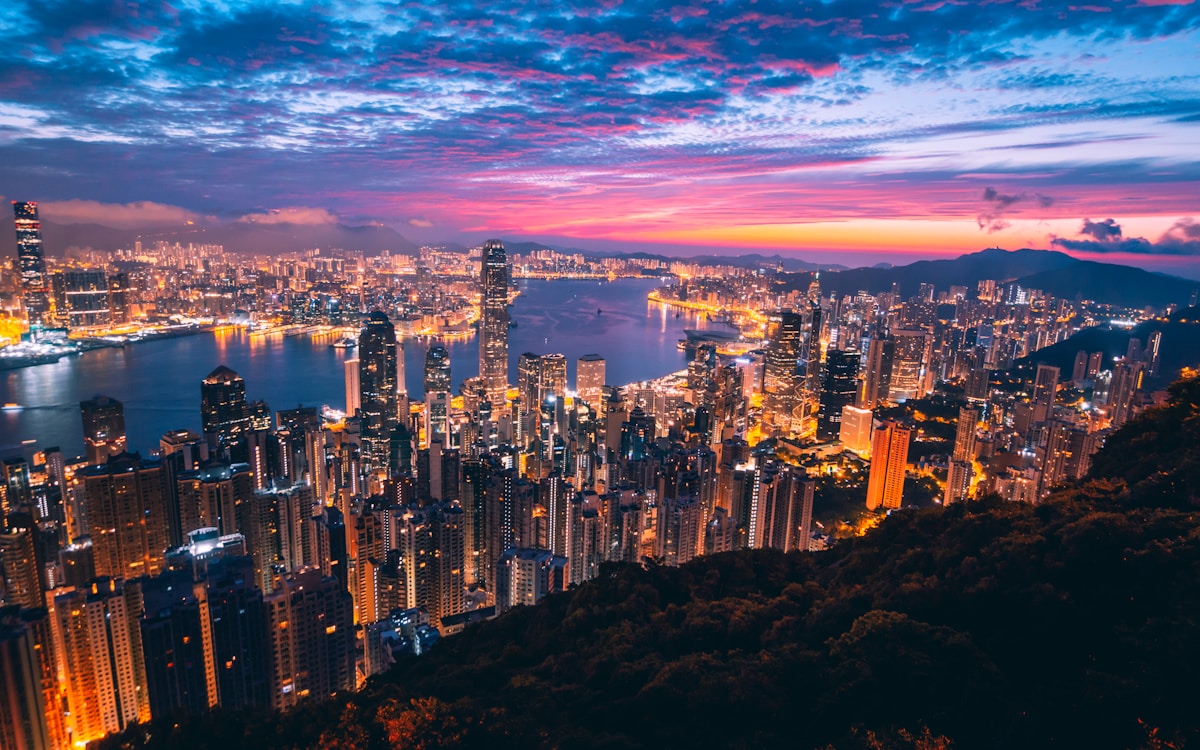
Welcome to the ultimate Hong Kong travel guide! Hong Kong is one of Asia’s most dynamic destinations, where East meets West in spectacular fashion. This vibrant metropolis offers towering skyscrapers, ancient temples, world-class dining, and stunning natural landscapes – all packed into 1,104 square kilometers. This comprehensive hong kong travel guide will help you navigate this incredible city like a local.
Whether you’re a first-time visitor or returning to explore more, this hong kong travel guide covers everything from iconic attractions like Victoria Peak to hidden local gems, the best street food markets, and insider tips that most tourists miss. Hong Kong welcomes over 56 million visitors annually, and after reading this guide, you’ll understand why!
Why You Need This Hong Kong Travel Guide
Hong Kong can seem overwhelming with its dense urban landscape, countless neighborhoods, and mix of Cantonese and English. This hong kong travel guide cuts through the confusion and shows you how to maximize your time, avoid tourist traps, experience authentic local culture, and discover both famous landmarks and secret spots that even some locals don’t know about!
Planning more Asian adventures? Check out our Tokyo Travel Guide, Singapore Travel Guide, and Bangkok Travel Guide!
Best Time to Visit Hong Kong – Hong Kong Travel Guide Weather Tips

Timing is crucial for any hong kong travel guide. Here’s what to expect throughout the year:
October to December (Autumn): The absolute best time according to this hong kong travel guide! Clear skies, comfortable temperatures (18-28°C/64-82°F), low humidity, and minimal rainfall. Perfect for hiking and outdoor activities. Expect higher prices during October.
January to March (Winter): Cool and dry, temperatures range 14-20°C (57-68°F). Great for sightseeing but bring a jacket. Chinese New Year (late January/February) is spectacular but extremely crowded and expensive. Book accommodations months in advance if visiting during CNY.
April to May (Spring): Pleasant weather warming up, 20-27°C (68-81°F). Humidity starts increasing. Generally comfortable but occasional rain showers. Good time for festivals and outdoor dining.
June to September (Summer): Hot, humid, and rainy! Temperatures 27-33°C (81-91°F) with 80%+ humidity. Typhoon season (July-September) can disrupt plans. However, hotels are cheapest, and indoor attractions are less crowded. Bring an umbrella and embrace the air-conditioned malls!
Hong Kong Travel Guide Pro Tip: Visit during October-November or March-April for the best balance of weather, crowds, and prices. Avoid Chinese New Year unless you specifically want to experience it – everything gets extremely expensive and crowded!
Top Attractions in This Hong Kong Travel Guide
No hong kong travel guide is complete without covering the city’s must-see attractions:
1. Victoria Peak (The Peak)

Hong Kong’s most iconic viewpoint at 552 meters above sea level. The panoramic views of Victoria Harbour, skyscrapers, and surrounding islands are absolutely breathtaking – especially at sunset and night when the city lights up.
Hong Kong Travel Guide Insider Tips:
- Take the historic Peak Tram (funicular railway) for the experience – steep incline is thrilling!
- Book Peak Tram tickets online in advance to skip 1-2 hour queues
- Visit during weekdays early morning (8-9 AM) or late evening (after 8 PM) for fewer crowds
- Walk the Peak Circle Walk (52 minutes) for free panoramic views – better than the paid Sky Terrace 428
- Alternative: Take bus 15 from Central for cheaper access and great views during the ride
- Skip the overpriced Peak Tower restaurants – eat before or after
Peak Tram ticket: HK$99 round trip + Sky Terrace | Hours: 7:00 AM – 12:00 AM
2. Star Ferry & Victoria Harbour
The legendary Star Ferry has crossed Victoria Harbour since 1888, connecting Hong Kong Island and Kowloon. This short ferry ride offers the best value views in Hong Kong – just HK$3.70!
Hong Kong Travel Guide Must-Do Experience:
- Take the ferry at sunset for golden hour photos
- Ride on the upper deck for better views (costs HK$0.50 more)
- Watch the Symphony of Lights show (8 PM nightly) from Tsim Sha Tsui waterfront
- Walk the Avenue of Stars on Kowloon side for Bruce Lee statue and Hong Kong Walk of Fame
- Best ferry routes: Central to Tsim Sha Tsui, or Wan Chai to Tsim Sha Tsui
Ferry fare: HK$3.70 (weekday) / HK$4.70 (weekend) | Frequency: Every 6-12 minutes
3. Tian Tan Buddha (Big Buddha) & Ngong Ping 360
The world’s tallest outdoor seated bronze Buddha at 34 meters high, located on Lantau Island. Climb 268 steps to reach this impressive statue and enjoy stunning mountain and sea views.
Hong Kong Travel Guide Recommendations:
- Take the Ngong Ping 360 cable car for spectacular views (25-minute ride)
- Book Crystal Cabin (glass bottom) online for unique experience – sells out quickly!
- Visit Po Lin Monastery for free – beautiful architecture and peaceful atmosphere
- Try the vegetarian lunch at monastery – simple but authentic (HK$100)
- Hike Lantau Trail for adventurous alternative to cable car
- Combine with Tai O fishing village visit (30 minutes by bus)
- Go early (before 11 AM) to avoid crowds and heat
Cable car: HK$235 round trip standard, HK$305 crystal cabin | Buddha admission: Free
4. Temple Street Night Market
Hong Kong’s most famous night market in Kowloon. A sensory overload of street vendors, fortune tellers, Cantonese opera performers, and authentic local atmosphere. Opens around 4 PM, best after 7 PM.
Hong Kong Travel Guide Shopping Tips:
- Always bargain – start at 50% of asking price
- Check quality carefully, especially electronics and branded goods (often fake)
- Best for: souvenirs, casual clothes, accessories, gadgets
- Eat at the dai pai dong (open-air food stalls) for authentic local food
- Visit fortune tellers on Palm Reading Street (Temple Street section)
- Combine with nearby Ladies’ Market for more shopping
5. Man Mo Temple
Hong Kong’s most atmospheric temple, built in 1847. Dedicated to the God of Literature (Man) and God of War (Mo). The massive spiral incense coils hanging from the ceiling create an otherworldly ambiance.
Hong Kong Travel Guide Cultural Tips:
- Free admission – donation appreciated
- Dress modestly (shoulders and knees covered)
- Photography allowed but be respectful
- Visit early morning (8-9 AM) when locals are praying for authentic experience
- Located in Sheung Wan – combine with nearby Hollywood Road antique shops
- The incense coils burn for weeks – you can purchase and hang one (HK$150-500)
Love Asian culture? Don’t miss our Tokyo Travel Guide and Bangkok Travel Guide for more incredible destinations!
Hidden Gems in Our Hong Kong Travel Guide
This hong kong travel guide reveals lesser-known spots that offer authentic Hong Kong experiences:
PMQ (Police Married Quarters)
A creative hub housed in a renovated 1951 police dormitory. Now home to local designer shops, art galleries, craft studios, and hip cafés. Completely different from typical Hong Kong – artsy, creative, and Instagram-worthy. Free admission, great for unique souvenirs.
Choi Hung Estate
Rainbow-colored public housing complex that’s become Instagram famous. The rooftop basketball court with colorful facades is incredibly photogenic. Visit early morning (before 9 AM) to avoid crowds. Respect residents – it’s a real neighborhood, not just a tourist attraction.
Sham Shui Po
The most authentic local neighborhood according to this hong kong travel guide. Working-class area with fabric markets, electronics stalls, vintage shops, and amazing cheap eats. See the real Hong Kong away from tourist zones. Great for street photography!
Shek O Beach
Hong Kong’s best accessible beach on the southeastern coast. White sand, clear water, and a laid-back village atmosphere. Perfect day trip from the city. Take bus 9 from Shau Kei Wan MTR station (45 minutes).
Yick Cheong Building (Monster Building)
Five interconnected buildings forming a dramatic urban canyon – seen in Transformers and Instagram everywhere. Located in Quarry Bay, this residential complex showcases Hong Kong’s dense living conditions. Visit during daytime, be respectful of residents.
Ten Thousand Buddhas Monastery
Actually contains over 13,000 Buddha statues! Climb 431 steps lined with golden Buddha statues to reach this colorful temple complex. Free admission, stunning views, and far fewer tourists than main attractions. Located in Sha Tin, 30 minutes from Central.
Hong Kong Neighborhoods – Hong Kong Travel Guide District Breakdown
Understanding Hong Kong’s districts is essential for this hong kong travel guide:
Central (Hong Kong Island): Financial district and upscale shopping. Modern skyscrapers, luxury boutiques, and expensive restaurants. Stay here for convenience and easy MTR access to everywhere. Close to Victoria Peak and Mid-Levels Escalator.
Tsim Sha Tsui (Kowloon): Tourist hub with hotels, museums, and shopping. Victoria Harbour waterfront, Avenue of Stars, and Symphony of Lights. Excellent location for first-time visitors – walkable to many attractions and great MTR connections.
Mong Kok (Kowloon): Dense, vibrant, and authentically Hong Kong. Ladies’ Market, Sneaker Street, electronics shops, and amazing street food. Busiest district – expect crowds but incredible energy. Budget accommodations available.
Wan Chai (Hong Kong Island): Mix of old and new Hong Kong. Traditional markets, modern office towers, and diverse dining. Less touristy than Central but still convenient. Good value accommodations.
Sheung Wan (Hong Kong Island): Hipster neighborhood with trendy cafés, art galleries, and antique shops. Hollywood Road, Man Mo Temple, and dried seafood markets. Increasingly popular with expats and young professionals.
Causeway Bay (Hong Kong Island): Shopping paradise! Department stores, fashion boutiques, and restaurants. Very crowded on weekends. Times Square and Victoria Park nearby. Stay here if shopping is priority.
Sai Kung (New Territories): Seafood restaurants and gateway to hiking trails. More residential and laid-back. Perfect base for outdoor enthusiasts wanting to explore Hong Kong’s natural side.
Hong Kong Food Guide – Must-Try Dishes in This Hong Kong Travel Guide
Food is a religion in Hong Kong! This hong kong travel guide covers essential culinary experiences:
Must-Try Hong Kong Foods
- Dim Sum: Brunch tradition! Try Lin Heung Tea House (old-school, chaotic but authentic), Tim Ho Wan (Michelin-starred, affordable), or Maxim’s Palace (classic trolley service)
- Roast Goose/Duck: Yat Lok or Kam’s Roast Goose – crispy skin, tender meat, absolutely delicious
- Wonton Noodles: Mak’s Noodle or Tsim Chai Kee – simple but perfect comfort food
- Egg Tarts: Tai Cheong Bakery (Central) – buttery, flaky, iconic Hong Kong dessert
- Pineapple Bun (Bo Lo Bao): Sweet bread with crispy sugary top – get it with butter slice!
- Milk Tea (Lai Cha): Strong, smooth Hong Kong-style milk tea – try at any cha chaan teng
- Hong Kong-Style French Toast: Deep-fried, stuffed with peanut butter, topped with butter and syrup
- Claypot Rice: Kwan Kee or Sing Heung Yuen – crispy rice, savory toppings, winter specialty
Where to Eat According to This Hong Kong Travel Guide
Cha Chaan Teng (Tea Restaurants): Essential Hong Kong experience! Local diners serving affordable comfort food. Try Tsui Wah, Australia Dairy Company (famous for scrambled eggs), or Kam Wah Café (best pineapple buns).
Dai Pai Dong (Open-air food stalls): Traditional street food – increasingly rare but incredible atmosphere. Temple Street Night Market and Sham Shui Po have authentic ones.
Food Courts: Cooked Food Centres in wet markets offer cheap, authentic local food. Try Smithfield or Bowrington Road markets.
Michelin Guide: Hong Kong has 70+ Michelin-starred restaurants, including affordable options like Tim Ho Wan dim sum (HK$20-50 per person).
Hong Kong Travel Guide Dining Tips
- Most restaurants charge 10% service fee – no additional tip needed
- Tea is provided free or HK$2-5 per person charge (cha sui)
- Sharing tables is common in crowded restaurants – don’t be surprised
- Lunch sets (套餐) offer better value than à la carte
- Octopus card accepted at many casual restaurants and fast food
- Dim sum traditionally for breakfast/brunch (9 AM – 2 PM)
- Dinner rush: 6:30-8:30 PM – book ahead or arrive early/late
Getting Around – Hong Kong Travel Guide Transportation
Hong Kong has one of the world’s best public transport systems. This hong kong travel guide explains how to navigate it:
MTR (Mass Transit Railway): Fast, clean, efficient, and air-conditioned! Covers most major areas. Runs 6:00 AM – 1:00 AM. Single journey tickets available but Octopus card is essential.
Octopus Card – Hong Kong Travel Guide Essential:
- Rechargeable stored-value card – works on ALL public transport plus many shops
- Buy at airport or any MTR station (HK$150: HK$50 deposit + HK$100 value)
- Tap on entry and exit – automatic fare calculation
- Also works at: 7-Eleven, Circle K, McDonald’s, vending machines, taxis
- Get refund at MTR customer service when leaving (minus HK$9 handling fee if used less than 90 days)
- Saves time, money (slight discount vs single tickets), and hassle
Buses: Extensive network covering everywhere MTR doesn’t reach. Double-decker buses offer great views! Pay exact fare (no change) or use Octopus. Download Citybus/KMB apps for routes.
Trams (Ding Ding): Historic streetcars on Hong Kong Island only. Slow but scenic and cheap (HK$3 flat fare). Great for sightseeing along north shore. Pay when exiting.
Taxis: Abundant and relatively affordable. Three types: Red (urban), Green (New Territories), Blue (Lantau). Flag fall HK$27. Most drivers speak limited English – have address in Chinese or show on phone.
Star Ferry: Iconic harbour crossing – a must-do experience! HK$3.70, 10-minute ride. See earlier section for details.
Peak Tram: Historic funicular to Victoria Peak. More experience than transport. Book online to skip queues.
Money-Saving Tips from Our Hong Kong Travel Guide
Hong Kong can be expensive, but this hong kong travel guide shows how to save money:
- Free attractions: Symphony of Lights show, Temple Street Night Market, beaches, hiking trails, many temples, Victoria Harbour waterfront
- Eat like locals: Cha chaan teng and food courts cost HK$30-60 per meal vs HK$150+ at tourist restaurants
- Happy Hour: Many bars offer 2-for-1 drinks 5-8 PM – alcohol is expensive otherwise
- Stay in Mong Kok or Wan Chai: Accommodations 30-40% cheaper than Central or TST
- Walk when possible: Hong Kong Island north shore is very walkable – save money and see more
- Octopus card saves money: Automatic discounts on MTR fares
- Visit museums on Wednesday: Many offer free admission (check specific museums)
- Supermarkets for snacks: ParknShop, Wellcome, 7-Eleven cheaper than tourist shops
- Take bus instead of taxi: HK$5-15 vs HK$50-100+ for same journey
- Free walking tours: Several companies offer tip-based tours
Daily Budget Estimates:
- Budget traveler: HK$400-600 (USD$50-75) – hostels, local food, free activities
- Mid-range: HK$800-1,500 (USD$100-190) – 3-star hotel, mix of local and tourist restaurants
- Luxury: HK$2,000+ (USD$250+) – 4/5-star hotels, fine dining, paid attractions
Hong Kong Hiking Trails – Hong Kong Travel Guide Outdoor Adventures
Surprising many visitors, 70% of Hong Kong is countryside! This hong kong travel guide covers the best hikes:
Dragon’s Back
Hong Kong’s most famous trail! Named Asia’s best urban hike by Time Magazine. Stunning coastal views, accessible for beginners, takes 2-3 hours. Start at Shek O Road, finish at Big Wave Bay Beach. Best in autumn/winter.
Lion Rock
Iconic peak symbolizing Hong Kong spirit. Moderate difficulty, 2 hours to summit. 360-degree views of Kowloon and Hong Kong Island. Start from Wong Tai Sin MTR. Some rock scrambling required.
Lantau Trail
70km trail around Lantau Island – do sections, not all! Sunset Peak section is popular (3-4 hours, challenging). Combine with Big Buddha visit.
Hong Kong Travel Guide Hiking Tips
- Download maps.me app – offline maps with trails marked
- Bring plenty of water – humidity causes heavy sweating
- Start early to avoid heat and afternoon thunderstorms
- Wear proper hiking shoes – trails can be steep and slippery
- Check weather forecast – avoid during typhoon signals or heavy rain
- Many trails accessible by public transport – very convenient!
Sample 4-Day Hong Kong Travel Guide Itinerary
This sample itinerary from our hong kong travel guide balances major attractions with local experiences:
Day 1: Hong Kong Island Highlights
- Morning: Victoria Peak via Peak Tram (go early!), Peak Circle Walk for views
- Midday: Descend and explore Sheung Wan – Man Mo Temple, Hollywood Road antiques
- Afternoon: Central – Mid-Levels Escalator, SoHo cafés and shops
- Evening: Star Ferry to Tsim Sha Tsui, Symphony of Lights show at 8 PM, dinner at Temple Street Night Market
Day 2: Kowloon Culture & Shopping
- Morning: Dim sum breakfast at Tim Ho Wan or Lin Heung Tea House
- Late Morning: Wong Tai Sin Temple, Chi Lin Nunnery (serene gardens)
- Afternoon: Mong Kok – Ladies’ Market, Sneaker Street, local atmosphere
- Evening: Causeway Bay shopping, dinner at local cha chaan teng, Victoria Park if time
Day 3: Lantau Island Adventure
- Morning: Ngong Ping 360 cable car to Big Buddha (go early – 9 AM)
- Midday: Climb to Big Buddha, visit Po Lin Monastery, vegetarian lunch
- Afternoon: Bus to Tai O fishing village – stilt houses, dried seafood, boat ride
- Evening: Return to city, explore Wan Chai night market and local restaurants
Day 4: Local Experiences & Hidden Gems
- Morning: Dragon’s Back hike (3 hours) – finish at Big Wave Bay Beach
- Afternoon: PMQ for design shops, Choi Hung Estate for rainbow photos
- Late Afternoon: Shek O village and beach – relax, seafood dinner
- Evening: Return to city, Lan Kwai Fong bars if interested in nightlife
Exploring more of Asia? Check out our Tokyo Travel Guide, Singapore Travel Guide, and Bangkok Travel Guide!
Essential Cantonese Phrases for Your Hong Kong Travel Guide
While English is widely spoken in tourist areas, knowing basic Cantonese phrases enhances your hong kong travel guide experience:
- Nei hou (nay-hoh) – Hello
- M̀h’gōi (mm-goy) – Thank you / Please / Excuse me (most useful phrase!)
- M̀h’gōi saai (mm-goy-sigh) – Thank you very much
- Géidō chín? (gay-daw-cheen) – How much?
- Hóu sihk (ho-sick) – Delicious
- Hóu leng (ho-leng) – Very beautiful
- Jóusahn (jo-sahn) – Good morning
- Joi gin (joy-geen) – Goodbye
- Dím heui? (dim-hoy) – How to go? (asking directions)
Hong Kong Travel Guide Language Tip: Most Hong Kongers speak some English, especially younger people and in tourist areas. Don’t be shy to speak English – but attempting Cantonese phrases is always appreciated!
Safety and Practical Tips from This Hong Kong Travel Guide
Hong Kong is one of Asia’s safest cities, but this hong kong travel guide covers important practical information:
Safety
- Hong Kong is very safe – low crime rate, safe to walk at night
- Petty theft rare but watch belongings in crowded areas (Mong Kok markets)
- Scams are uncommon compared to other Asian cities
- Emergency number: 999 (police, fire, ambulance)
- Tap water is safe to drink – bring a reusable bottle
- Healthcare is excellent – public hospitals affordable, private expensive
Practical Information
- Currency: Hong Kong Dollar (HKD/HK$). USD 1 = HKD 7.8 approximately
- Power: 220V, UK-style three-pin plugs (Type G) – bring adapter
- WiFi: Free WiFi widely available – cafés, malls, MTR stations. Get SIM card at airport if needed
- Tipping: Not expected but appreciated for good service. 10% service charge usually included
- Business hours: Shops typically 10 AM – 10 PM, restaurants 11 AM – 11 PM or later
- Public holidays: Many shops and restaurants close during Chinese New Year (3 days)
- Smoking: Banned in most indoor spaces and many outdoor areas – fines up to HK$5,000
Weather Considerations
- Summer humidity is intense – carry water, dress in breathable fabrics
- Typhoon season (July-September) – check weather alerts, stay indoors during signals 8-10
- Air conditioning everywhere – bring light jacket for indoor spaces
- Umbrella essential year-round – sun or rain protection
Day Trips from Hong Kong – Hong Kong Travel Guide Excursions
This hong kong travel guide includes excellent nearby destinations:
Macau
The “Las Vegas of Asia” is just 1 hour away by ferry! Portuguese colonial architecture, casinos, fusion cuisine, and UNESCO World Heritage sites. Day trip possible but overnight recommended. Ferry tickets HK$150-180 from Hong Kong-Macau Ferry Terminal or China Ferry Terminal.
Shenzhen, China
Massive tech city across the border. Shopping, theme parks (Window of the World), electronics markets. Need China visa (can get at border for some nationalities). MTR to Lo Wu or Lok Ma Chau, then cross border.
Guangzhou, China
Historic Cantonese capital, 2 hours by high-speed train. Authentic dim sum, temples, colonial architecture. Need China visa. Worth overnight trip.
Hong Kong Travel Guide Border Tip: Always check current visa requirements for China before attempting border crossings. Rules change frequently.
Frequently Asked Questions from Our Hong Kong Travel Guide
How many days do I need in Hong Kong according to this hong kong travel guide?
Minimum 3 days to see major highlights, 4-5 days ideal for first-time visitors to include both city attractions and Lantau Island. 7+ days allows for hiking, beaches, and deeper exploration of neighborhoods. Many visitors combine with Macau for 5-6 day trip.
Is Hong Kong expensive to visit?
Hong Kong can be expensive but this hong kong travel guide shows it’s manageable on various budgets. Accommodation is the biggest expense (HK$300-800/night for budget-mid range). Food ranges from HK$30 local meals to HK$200+ tourist restaurants. Transport is affordable with Octopus card. Overall, expect HK$500-1,500 per day depending on travel style.
Do I need a visa for Hong Kong?
Most nationalities get visa-free entry: 90 days for US, Canada, Australia, UK, EU; 30 days for many others. Check Hong Kong Immigration Department website for your specific nationality. Separate visa needed for mainland China if crossing border.
What’s the best area to stay in Hong Kong?
According to this hong kong travel guide, Tsim Sha Tsui (Kowloon) is ideal for first-timers – central location, great transport links, harbour views, and many hotels. Central (Hong Kong Island) is convenient but pricier. Mong Kok offers best budget options. Causeway Bay perfect for shoppers.
Is Hong Kong safe for solo travelers?
Extremely safe! Hong Kong is one of the safest cities in Asia for solo travelers, including women. Low crime rate, excellent public transport, English widely spoken in tourist areas. Standard precautions apply – watch belongings in crowds, stay aware of surroundings.
Can I use my credit card everywhere in Hong Kong?
Credit cards widely accepted at hotels, restaurants, and major shops. However, street markets, small eateries, and local shops often cash-only. ATMs abundant. Bring some cash for local experiences recommended in this hong kong travel guide.
What should I pack for Hong Kong?
Depends on season! Summer: Light, breathable clothes, sunscreen, umbrella, light jacket for AC. Winter: Layers, light jacket, comfortable walking shoes. Year-round: Power adapter (UK type), comfortable shoes for walking/hiking, reusable water bottle, daypack.
How do I get from Hong Kong Airport to the city?
Multiple options: Airport Express train (24 minutes to Central, HK$115, most convenient), Bus A11/A21 (1 hour, HK$40, cheap with luggage space), Taxi (30-50 minutes depending on destination, HK$250-350), or hotel shuttle if arranged. Airport Express includes free shuttle bus to hotels.
Is it easy to visit Hong Kong with kids?
Yes! Hong Kong is very family-friendly. Kid-approved attractions: Ocean Park, Hong Kong Disneyland, Peak Tram, Star Ferry, beaches, Ngong Ping cable car. Excellent healthcare, safe streets, clean facilities. Restaurants welcome children. Public transport has priority seating for families.
What’s the best way to see Hong Kong’s skyline?
Multiple viewpoints in this hong kong travel guide: Victoria Peak (classic but crowded), Sky100 observation deck (101st floor of ICC building), Ferry ride across harbour (cheapest at HK$3.70), Tsim Sha Tsui waterfront (free!), or rooftop bars like Ozone or Sevva for cocktails with views.
Final Thoughts from Our Hong Kong Travel Guide
This comprehensive hong kong travel guide has covered everything you need for an amazing trip to one of Asia’s most dynamic cities. Hong Kong seamlessly blends Eastern traditions with Western influences, ancient temples with futuristic skyscrapers, and natural beauty with urban energy in a way that’s truly unique.
Whether you’re marveling at the skyline from Victoria Peak, savoring authentic dim sum in a local tea house, hiking the Dragon’s Back trail, or getting lost in the maze of Mong Kok’s markets, Hong Kong offers unforgettable experiences at every turn. The city’s efficient transport system makes it easy to pack multiple experiences into each day.
Remember that this hong kong travel guide is just the beginning – Hong Kong reveals different layers the more you explore. Don’t just stick to the main tourist circuit. Venture into local neighborhoods, try street food you’ve never heard of, take the bus instead of the MTR sometimes, and strike up conversations with locals. Some of the best Hong Kong experiences aren’t in any guidebook!
The contrast between old and new, East and West, nature and urban density is what makes Hong Kong special. You can hike a mountain trail in the morning, shop in a ultra-modern mall in the afternoon, visit a centuries-old temple at sunset, and enjoy world-class dining at night – all in one day!
Hong Kong moves at a fast pace, but take time to slow down and observe. Watch the early morning tai chi practitioners in Victoria Park, observe the organized chaos of a wet market, or simply sit in a cha chaan teng and watch locals go about their day. These quiet moments provide just as much insight into Hong Kong as the major attractions.
Use this hong kong travel guide as your foundation, but remain flexible and open to spontaneous adventures. Hong Kong is constantly evolving, with new restaurants, shops, and attractions opening regularly. What makes your trip special will be the unique combination of planned experiences and unexpected discoveries.
Safe travels and enjoy every moment in Hong Kong – where East truly meets West in the most spectacular way!
Additional Hong Kong Travel Resources
Official Hong Kong Tourism Board: Discover Hong Kong
MTR route planner and info: MTR Official Site
Weather forecasts and typhoon alerts: Hong Kong Observatory
Restaurant reviews and recommendations: OpenRice Hong Kong
Current events and activities: Time Out Hong Kong
 0
0 20
20 20
20 20
20