Complete Gobi Desert Travel Guide – Mongolia Adventure
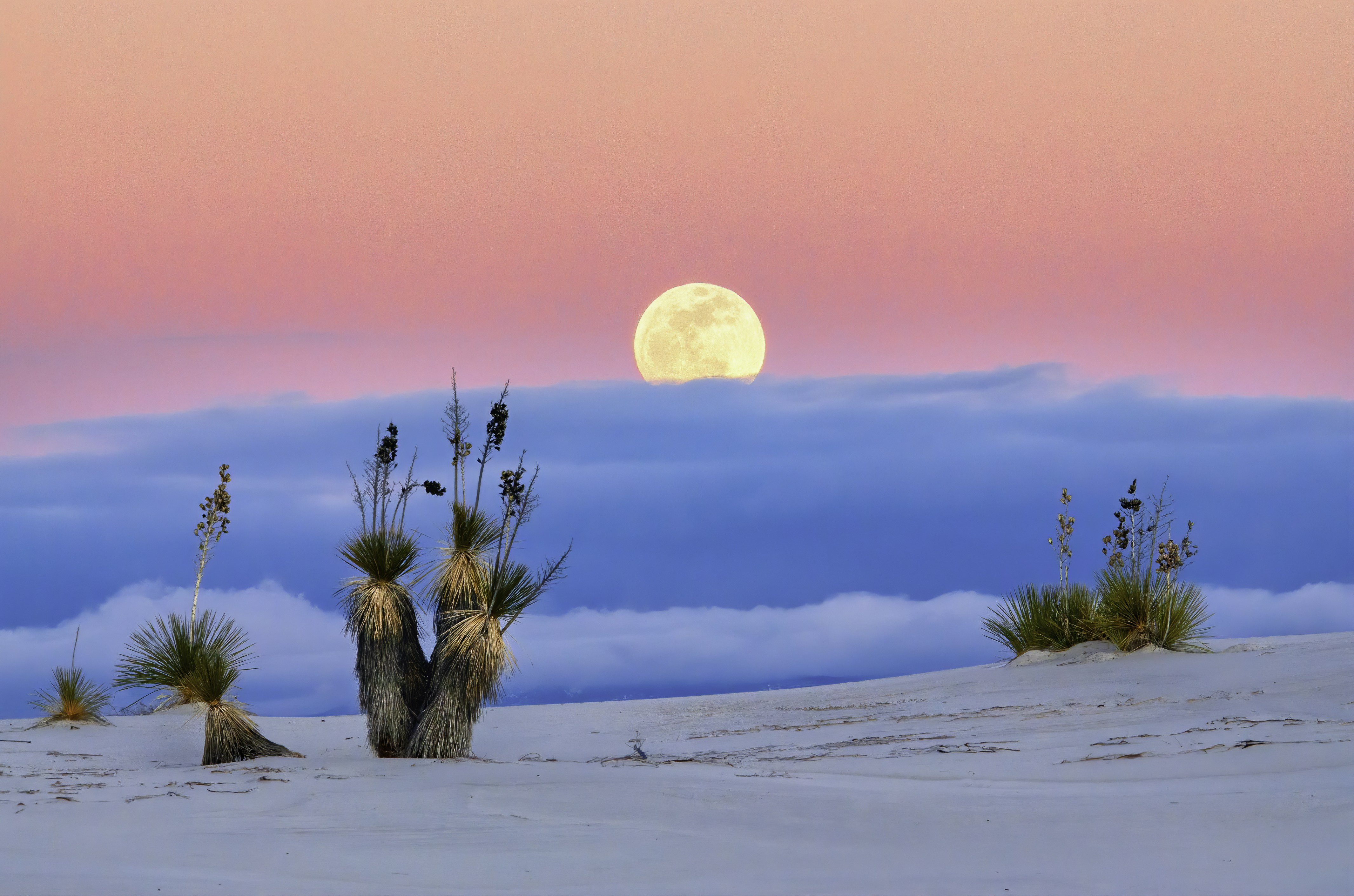
The Gobi Desert is one of Earth’s most extraordinary landscapes, stretching across southern Mongolia with its dramatic sand dunes, rugged mountains, and endless steppe. This comprehensive gobi desert travel guide will help you plan an unforgettable journey through one of Asia’s last great wilderness areas, where you can ride camels across towering dunes, sleep in traditional ger camps, and experience the timeless nomadic culture that has thrived here for thousands of years.
Whether you’re an adventure seeker, photography enthusiast, or cultural explorer, this gobi desert travel guide covers everything you need to know – from the best time to visit and must-see attractions to practical tips on transportation, accommodation, and what to pack. The Gobi Desert offers a travel experience unlike any other, where vast emptiness becomes profoundly beautiful and the night sky reveals millions of stars unspoiled by light pollution.
Why Visit the Gobi Desert – Your Essential Travel Guide
The Gobi Desert is not just a destination; it’s a transformative experience that connects you with nature’s raw power and humanity’s resilient spirit. This gobi desert travel guide highlights why this remote region should be on every adventurer’s bucket list. The landscape is incredibly diverse – from the famous Khongoryn Els (Singing Sand Dunes) rising 300 meters high to the dramatic Flaming Cliffs where dinosaur fossils were first discovered in Asia.
According to Lonely Planet’s Mongolia guide, the Gobi offers one of the world’s most authentic nomadic cultural experiences. You’ll meet herder families who live much as their ancestors did, share traditional meals, and learn about their deep connection to the land. This gobi desert travel guide emphasizes that the Gobi isn’t just about landscapes – it’s about people, culture, and a way of life that’s rapidly disappearing elsewhere.
Best Time to Visit – Gobi Desert Travel Guide Timing
Timing is crucial when planning your Gobi Desert adventure, and this gobi desert travel guide recommends visiting during late spring (May-June) or early autumn (September-October). These shoulder seasons offer the most comfortable temperatures, typically ranging from 15-25°C (59-77°F) during the day, though nights can still be chilly, dropping to near freezing.
Summer (July-August) is peak tourist season in this gobi desert travel guide, with warmer temperatures reaching 30-40°C (86-104°F) during the day. While popular, summer can be uncomfortably hot for some travelers and more expensive. Winter (November-March) is extremely cold with temperatures plummeting to -30°C (-22°F), but offers a unique, pristine beauty for hardy adventurers willing to brave the elements. Most tourist facilities close during winter, so this gobi desert travel guide recommends winter travel only for experienced cold-weather adventurers.
Top Attractions in This Gobi Desert Travel Guide
1. Khongoryn Els (Singing Sand Dunes)
The crown jewel of any gobi desert travel guide, Khongoryn Els stretches for 180 kilometers and reaches heights of 300 meters. These massive sand dunes earned their “singing” nickname from the sound wind makes as it moves across the sand. Climb to the summit for breathtaking sunrise or sunset views – the effort is worth every step. Camel rides across these dunes are quintessential Gobi experiences featured in every gobi desert travel guide.

2. Bayanzag (Flaming Cliffs)
No gobi desert travel guide would be complete without mentioning Bayanzag, where American explorer Roy Chapman Andrews discovered the first dinosaur eggs in the 1920s. The orange-red cliffs glow spectacularly at sunset, creating the “flaming” effect. This paleontological treasure trove continues to yield important fossil discoveries, and visitors can explore the area where numerous dinosaur bones and eggs have been found.
3. Yolyn Am (Eagle Valley)
This narrow gorge in the Gobi Gurvan Saikhan Mountains defies desert stereotypes. Even in summer, ice persists in the deepest parts of the canyon. This gobi desert travel guide recommends spending 2-3 hours hiking through the valley, where you might spot ibex, vultures, and other wildlife. The dramatic contrast between the arid desert surroundings and the lush, cool canyon creates an unforgettable experience.
4. Khavtsgait Petroglyphs
Ancient rock carvings dating back 3,000-8,000 years showcase the Gobi’s human history in this gobi desert travel guide. These petroglyphs depict wild animals, hunting scenes, and mysterious symbols that offer glimpses into Bronze Age life. The site requires a moderate hike but rewards visitors with both archaeological wonders and panoramic desert views.
5. Ongi Monastery Ruins
The haunting ruins of this once-great monastery complex tell the sad story of Mongolia’s communist period when religious sites were destroyed. Walking among the ruins included in this gobi desert travel guide provides historical context and stunning photography opportunities. A small reconstructed temple now operates here, and monks have returned to continue spiritual traditions.
Gobi Desert Travel Guide: Planning Your Itinerary
Most travelers spend 3-7 days exploring the Gobi Desert, and this gobi desert travel guide recommends at least 5 days to experience the highlights without rushing. Here’s a sample 5-day itinerary that balances adventure, culture, and realistic travel times in Mongolia’s vast landscape:
Day 1: Depart Ulaanbaatar early morning, drive to Middle Gobi (approximately 6-7 hours). Visit Baga Gazriin Chuluu rock formations, stay overnight in ger camp.
Day 2: Continue to Bayanzag (Flaming Cliffs). Explore the area, search for fossils (taking them is prohibited), witness sunset over the cliffs. Overnight in nearby ger camp featured in this gobi desert travel guide.
Day 3: Drive to Khongoryn Els (Singing Dunes). Camel trekking across the dunes, climb to the summit for sunset views. Stay in ger camp at the base of the dunes – one of the most memorable experiences in any gobi desert travel guide.
Day 4: Morning at the dunes, then drive to Yolyn Am (Eagle Valley). Hike through the gorge, observe wildlife. Overnight in Dalanzadgad or nearby ger camp.
Day 5: Return journey to Ulaanbaatar with stops at local markets or monasteries along the way. Arrive evening.
This gobi desert travel guide emphasizes that Mongolia’s roads are rough and distances vast – what looks short on a map can take hours. Build in flexibility for weather, vehicle issues, or spontaneous cultural encounters that make Gobi travel special.
Transportation Options in This Gobi Desert Travel Guide
Getting around the Gobi Desert requires careful planning, and this gobi desert travel guide outlines your main options. Independent travel is challenging due to lack of public transportation, poorly marked roads, and extreme remoteness. Most travelers choose organized tours or hire private drivers with 4WD vehicles.
Organized Tours: The most popular option in this gobi desert travel guide, tours include transportation, accommodation, meals, guide, and driver. Companies in Ulaanbaatar offer 3-14 day packages ranging from budget to luxury. Tours provide safety, convenience, and cultural interpretation that enriches the experience.
Private Driver/Vehicle Hire: More expensive but offers flexibility. Hire a Russian van (furgon) or Land Cruiser with experienced driver who knows the routes. Drivers typically speak some English and can recommend local families to visit, adding value beyond just transportation in this gobi desert travel guide.
Self-Drive: Only recommended for experienced overlanders with GPS, satellite phone, extensive supplies, and desert driving experience. Mongolia’s roads are unmarked tracks across open landscape. This gobi desert travel guide advises against solo self-drive for first-time visitors – the risks outweigh the freedom.
According to Nomadic Expeditions, professional tour operators provide the safest and most enriching way to experience the Gobi, especially for international visitors unfamiliar with Mongolia’s unique travel challenges.
Accommodation Guide for Gobi Desert Travel
Accommodation in the Gobi Desert ranges from basic to surprisingly comfortable, and this gobi desert travel guide covers all options. Traditional gers (yurts) are the most common and authentic lodging, offering immersive cultural experiences while providing shelter from extreme temperature swings.

Tourist Ger Camps: These semi-permanent camps featured in every gobi desert travel guide offer the best balance of comfort and authenticity. Sleeping gers accommodate 2-4 people with beds, stove, and furniture. Separate buildings house dining areas, bathrooms with hot showers, and sometimes even WiFi. Camps operate May-September, with prices ranging from $40-150 per person per night including meals.
Nomadic Family Homestays: The most authentic option in this gobi desert travel guide involves staying with herder families in their working gers. Facilities are basic (no running water, outside pit toilets), but the cultural immersion is unmatched. You’ll participate in daily activities, share meals, and gain insights into nomadic life. Arrange through guides or tour operators; direct approach can be intrusive.
Hotels in Towns: Small towns like Dalanzadgad offer basic hotels with private rooms and bathrooms. These work well as overnight stops but miss the authentic desert experience central to this gobi desert travel guide. Expect simple but clean accommodations for $20-50 per night.
Camping: Wild camping is legal and free almost anywhere in Mongolia. Experienced travelers with proper equipment can camp independently, though this gobi desert travel guide recommends asking local herders for permission if camping near their land – they’ll often invite you for tea and conversation.
What to Pack – Essential Gobi Desert Travel Guide Tips
Packing correctly makes or breaks your Gobi adventure, and this gobi desert travel guide provides a comprehensive packing list. The desert experiences extreme temperature fluctuations – scorching days and freezing nights – so layering is essential.
Clothing: Lightweight, breathable long sleeves and pants for sun protection; warm fleece or down jacket for cold mornings and nights; hat with brim for sun; warm hat for evenings; comfortable hiking boots; sandals for ger camps; sunglasses; buff or scarf for dust protection.
Gear: Headlamp with extra batteries; sleeping bag liner (ger camps provide bedding but liners add comfort); daypack; water bottles (2-3 liters capacity); power bank; camera with extra batteries and memory cards; zip-lock bags for electronics (dust protection).
Toiletries: High SPF sunscreen; lip balm with SPF; hand sanitizer; wet wipes; toilet paper; personal medications; basic first aid kit. This gobi desert travel guide emphasizes that facilities are basic in remote areas.
Optional but Recommended: Binoculars for wildlife viewing; portable solar charger; book or kindle; journal; playing cards; small gifts for nomadic families (school supplies, photos from previous trips, but not money which can create dependency).
This gobi desert travel guide reminds travelers that laundry facilities are nonexistent in the desert – pack enough clothes or be prepared to rinse items in ger camp sinks. Dust is pervasive, so don’t bring anything you can’t afford to get dirty.
Cultural Experiences in This Gobi Desert Travel Guide
The human element elevates the Gobi from beautiful landscape to transformative destination, and this gobi desert travel guide highlights cultural experiences you shouldn’t miss. Meeting nomadic herder families offers profound insights into sustainable living and deep environmental knowledge passed down through generations.
Traditional activities include helping with livestock, making dairy products like aaruul (dried cheese curds), and learning about ger construction and the significance of each element. Many families welcome visitors for tea and conversation – bring small gifts and your guide will facilitate meaningful cultural exchange highlighted in this gobi desert travel guide.
Naadam Festival activities sometimes occur in Gobi towns during summer. While not as grand as Ulaanbaatar’s celebrations, local Naadam features horse racing, wrestling, and archery – Mongolia’s “Three Manly Games.” Check dates with tour operators to potentially align your gobi desert travel guide itinerary with these festivities.
Evening entertainment at ger camps often includes traditional throat singing performances, contortion shows, and folk music. These performances connect you to Mongolia’s rich artistic heritage and make excellent memories in this gobi desert travel guide adventure.
Food and Dining in the Gobi Desert Travel Guide
Food in the Gobi Desert centers on meat and dairy – the staples of nomadic herder diets for millennia. This gobi desert travel guide prepares you for hearty, simple meals that fuel your adventures. Mutton is most common, prepared in various ways from khorkhog (traditional Mongolian barbecue) to buuz (steamed dumplings) to simple boiled meat.
Tourist ger camps serve three meals daily, typically combining Mongolian and international dishes. Expect warm breakfasts of eggs, bread, jam, and tea; packed lunches for day trips with sandwiches and snacks; hearty dinners featuring meat, potatoes, vegetables, and soup. Vegetarians should arrange dietary needs in advance – pure vegetarian options are challenging in nomadic culture, though ger camps can accommodate with advance notice in this gobi desert travel guide.
Traditional dairy products like airag (fermented mare’s milk), suutei tsai (milk tea with salt), and various cheeses feature prominently. Try these authentic foods for full cultural immersion recommended in this gobi desert travel guide, though be aware that unpasteurized dairy products can cause stomach upset for those unaccustomed.
Bottled water is available at camps and should be your primary beverage. Avoid tap water and ice. This gobi desert travel guide recommends bringing water purification tablets as backup for remote areas where bottled water may be unavailable.
Wildlife and Nature in This Gobi Desert Travel Guide
Despite its harsh environment, the Gobi supports remarkable biodiversity, and this gobi desert travel guide introduces you to species adapted to extreme conditions. Bactrian camels – the two-humped variety native to Central Asia – roam both wild and domesticated. Wild populations are critically endangered with only about 1,000 remaining, making sightings special.
Other wildlife in this gobi desert travel guide includes Gobi bears (mazaalai), one of the world’s rarest bears with fewer than 30 individuals remaining; black-tailed gazelles; ibex in mountainous areas; numerous bird species including golden eagles, vultures, and migratory species. Spring and autumn migrations bring increased bird diversity.
Reptiles thrive in the Gobi’s harsh climate. Watch for various lizard species and the occasional snake. Insects are minimal compared to wetter environments, though flies can be bothersome near livestock – a small price for experiencing landscapes featured in this gobi desert travel guide.
According to World Wildlife Fund, the Gobi ecosystem faces threats from mining, overgrazing, and climate change. Responsible tourism promoted in this gobi desert travel guide helps fund conservation efforts while providing economic incentives to protect these fragile environments.
Photography Tips from This Gobi Desert Travel Guide
The Gobi Desert offers photographers extraordinary opportunities, from vast landscape compositions to intimate cultural portraits. This gobi desert travel guide shares tips for capturing your adventure. Golden hour (sunrise and sunset) transforms the landscape with warm light that makes sand dunes glow and rock formations dramatic.
Bring lens cleaning supplies – dust is constant in the Gobi. Keep cameras in sealed bags when not shooting. Carry extra batteries as cold nights drain power quickly. Memory cards should have ample capacity – you’ll shoot more than planned when surrounded by this gobi desert travel guide’s stunning scenery.
For landscape photography, use polarizing filters to deepen blue skies and reduce glare. Wide-angle lenses capture the desert’s vastness, while telephoto lenses are excellent for wildlife and distant nomadic camps. Always ask permission before photographing people, especially in their homes – this gobi desert travel guide emphasizes respectful cultural photography.
Night sky photography in the Gobi is spectacular due to zero light pollution. Bring a sturdy tripod and practice astrophotography settings before your trip. The Milky Way is clearly visible, and meteor showers during August (Perseids) add celestial drama to this gobi desert travel guide experience.
Safety and Health Considerations
Safety in the Gobi Desert requires preparation and common sense, themes throughout this gobi desert travel guide. The remote environment means help is far away in emergencies. Travel with reputable operators who carry satellite phones and first aid supplies. Ensure your travel insurance covers medical evacuation – critical in serious emergencies requiring evacuation to Ulaanbaatar or beyond.
Sun exposure is intense at high elevation. Apply and reapply high SPF sunscreen, wear protective clothing, and drink water constantly. Dehydration happens quickly in dry air even when not feeling thirsty. This gobi desert travel guide recommends 3-4 liters of water daily during activities.
Temperature extremes pose risks. Hypothermia can occur on cold nights or mornings if inadequately dressed. Conversely, heat exhaustion or heat stroke can happen during hot summer afternoons. Monitor yourself and travel companions for warning signs highlighted in this gobi desert travel guide.
Altitude sickness is uncommon but possible at higher elevations. The Gobi ranges from 900-1500 meters, occasionally higher in mountain areas. Most people don’t experience issues, but those with pre-existing conditions should consult doctors before travel advised in this gobi desert travel guide.
For more international travel guides, explore destinations like Santorini, Greece or discover Asian culinary adventures in our Mongolian hot pot guide.
Sustainable Travel in This Gobi Desert Travel Guide
Responsible tourism protects the Gobi’s fragile ecosystems and nomadic cultures for future generations, a core principle of this gobi desert travel guide. Practice Leave No Trace principles: pack out all trash, don’t disturb archaeological sites or take fossils, stay on established tracks to prevent vegetation damage, and minimize campfire impact.
Support local communities by hiring local guides, staying in locally-owned ger camps, and purchasing handicrafts directly from artisans. This gobi desert travel guide emphasizes that your tourism dollars can significantly impact small communities when spent thoughtfully.
Respect wildlife by observing from distance, never feeding animals, and keeping noise levels low. Photography should never stress wildlife – if an animal changes behavior due to your presence, you’re too close according to this gobi desert travel guide.
Water is precious in the Gobi. Use it sparingly for washing and never pollute water sources. Many ger camps have limited water supplies – respect conservation efforts by taking short showers and reusing towels.
Budget Planning for Your Gobi Desert Travel Guide Adventure
Costs vary widely depending on travel style, and this gobi desert travel guide breaks down budget considerations. Organized tours range from $50-200 per person per day, with budget tours using basic ger camps and Russian vans, mid-range tours offering comfortable camps and experienced guides, and luxury tours featuring private yurts, gourmet meals, and high-end 4WD vehicles.
Independent travel appears cheaper but hidden costs add up quickly. Vehicle hire with driver costs $100-150 daily; accommodation $20-50 per night; meals $10-20 daily; fuel and supplies push totals comparable to budget organized tours without the benefits of guides and cultural access featured in this gobi desert travel guide.
Additional expenses include Ulaanbaatar accommodations before/after desert trips ($20-100 per night); domestic flights if flying to Gobi towns instead of driving ($100-200 round trip); entry fees to national parks ($3-8); optional camel rides ($10-20); souvenirs and handicrafts ($10-100+).
This gobi desert travel guide recommends budgeting $500-1500 per person for a 5-day Gobi experience including Ulaanbaatar nights, depending on comfort level. Prices increase during July-August peak season; shoulder seasons offer better value.
Frequently Asked Questions – Gobi Desert Travel Guide
Is the Gobi Desert safe for tourists?
Yes, the Gobi is generally safe when traveling with reputable operators. This gobi desert travel guide emphasizes that Mongolia has low crime rates and nomadic culture values hospitality. Main risks are environmental – extreme weather, remoteness, and rough roads – which professional guides mitigate.
Do I need a visa to visit Mongolia?
Many nationalities (including US, EU, UK, Australia, Canada) can visit Mongolia visa-free for 30 days. Check current requirements for your nationality before booking travel featured in this gobi desert travel guide. Passport should be valid 6 months beyond your travel dates.
How physically fit do I need to be for this gobi desert travel guide?
Moderate fitness suffices for most Gobi experiences. Activities involve some walking and climbing (sand dunes, canyon hikes) but aren’t extreme. This gobi desert travel guide notes that tours accommodate various fitness levels – discuss limitations with operators when booking.
Can I visit the Gobi Desert independently?
Technically yes, but this gobi desert travel guide strongly recommends against it for most travelers. Infrastructure is minimal, roads are unmarked tracks, distances are vast, and help is far away in emergencies. Even experienced travelers benefit from local knowledge.
What’s the internet and phone connectivity like?
Very limited. Some ger camps have WiFi but expect slow, unreliable connections. Mobile phone service exists in towns but not in remote areas. This gobi desert travel guide suggests embracing digital detox – the Gobi’s greatest gift is disconnecting from modern life.
Are there ATMs in the Gobi Desert?
ATMs exist in larger towns like Dalanzadgad but not in remote areas. This gobi desert travel guide recommends carrying sufficient Mongolian tugrik cash from Ulaanbaatar. Credit cards aren’t accepted in the desert – cash is essential for tips and incidental purchases.
What language is spoken, and will I need a translator?
Mongolian is the official language. English is limited outside Ulaanbaatar. All tours in this gobi desert travel guide include English-speaking guides who facilitate communication with local families and provide cultural context that enriches your experience immeasurably.
This comprehensive gobi desert travel guide has prepared you for an extraordinary adventure through one of the world’s most captivating landscapes. From the towering Singing Sand Dunes to the ancient Flaming Cliffs, from authentic nomadic encounters to star-filled night skies, the Gobi Desert offers experiences that will stay with you forever. The vast emptiness teaches perspective, the harsh environment commands respect, and the warm hospitality of Mongolian people touches hearts.
Whether you’re drawn by adventure, cultural immersion, photography, or simply the desire to experience one of Earth’s last great wildernesses, this gobi desert travel guide has shown that the Gobi delivers beyond expectations. Start planning your journey – book with reputable operators, pack appropriately, embrace flexibility, and prepare for a travel experience unlike any other. The ancient Silk Road traders knew what modern travelers are rediscovering: the Gobi Desert is not a wasteland to cross but a treasure to explore. For more adventure travel inspiration, check out our guides to Greek cuisine and culture or explore other remote destinations. Safe travels and Сайн яваарай (Sain yavaarai) – Have a good journey!
 0
0 20
20 20
20 20
20