Tokyo Travel Guide – Best Things to Do in Tokyo 2024
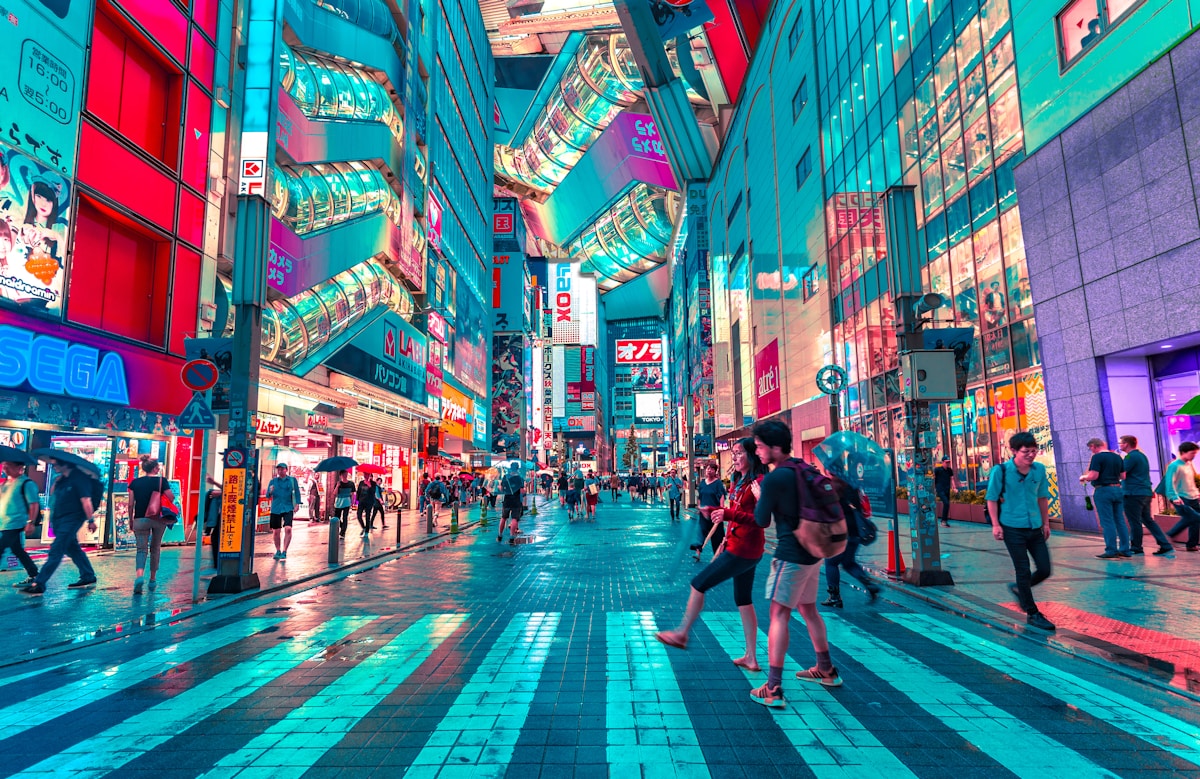
Welcome to the ultimate Tokyo travel guide! Tokyo is a mesmerizing metropolis where ancient traditions seamlessly blend with cutting-edge technology. As the world’s largest metropolitan area with 37 million people, Tokyo offers an incredible mix of historic temples, futuristic skyscrapers, world-class cuisine, and unique cultural experiences. This comprehensive tokyo travel guide will help you navigate Japan’s captivating capital like a pro.
Whether you’re visiting Tokyo for cherry blossoms, anime culture, incredible food, or simply to experience one of the world’s most fascinating cities, this tokyo travel guide covers everything from must-see attractions to hidden local favorites, transportation tips, and cultural insights that will make your trip unforgettable.
Why You Need This Tokyo Travel Guide
Tokyo can be overwhelming for first-time visitors. The language barrier, complex train system, and sheer size of the city present unique challenges. This tokyo travel guide is designed to eliminate confusion and help you experience the best of Tokyo efficiently. We’ll show you how to navigate the subway, communicate without speaking Japanese, find the best ramen at 2 AM, and discover neighborhoods that most tourists never see!
Exploring more of Asia? Check out our Hong Kong Travel Guide, Singapore Travel Guide, and Bangkok Travel Guide!
Best Time to Visit Tokyo – Tokyo Travel Guide Seasonal Breakdown
Choosing the right season is crucial for any tokyo travel guide. Here’s what to expect:
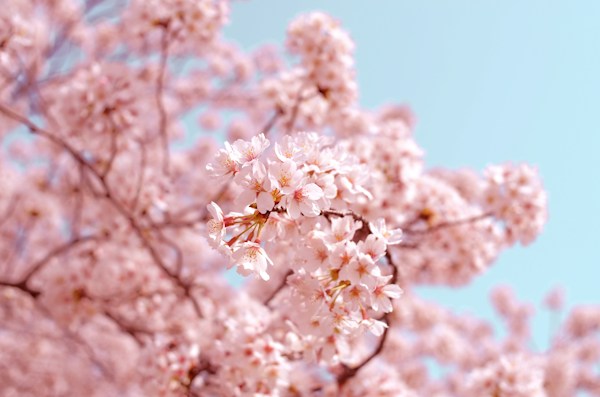
Spring (March-May) – Cherry Blossom Season: The most magical time according to this tokyo travel guide! Cherry blossoms (sakura) bloom late March to early April. Parks transform into pink wonderlands, and hanami (flower viewing) parties fill the air with celebration. Weather is mild (10-20°C/50-68°F). VERY crowded and expensive – book hotels 6+ months ahead!
Summer (June-August) – Hot & Humid: June brings rainy season with daily showers. July-August are HOT (25-35°C/77-95°F) with high humidity. Summer festivals (matsuri) happen throughout the city. Cheaper hotels, but prepare for heat and crowds at major attractions. Perfect if you want to experience traditional festivals!
Autumn (September-November) – Peak Season: Another excellent time! Comfortable temperatures (15-25°C/59-77°F), beautiful fall foliage (koyo), and clear skies. October-November are particularly pleasant. Popular with tourists but not as crazy as cherry blossom season. Book early for best prices.
Winter (December-February) – Cold But Clear: Cold (0-10°C/32-50°F) but usually dry and sunny. Fewer tourists mean lower prices and shorter lines. Perfect for hot springs (onsen), winter illuminations, and New Year celebrations. Ski resorts within easy day trip distance. Best time for budget travelers!
Tokyo Travel Guide Pro Tip: Visit during late November for autumn leaves without massive crowds, or late February for plum blossoms (ume) before sakura season chaos begins. Avoid Golden Week (late April/early May) – entire Japan travels during this week!
Top Attractions in This Tokyo Travel Guide
No tokyo travel guide is complete without covering the city’s iconic attractions:
1. Senso-ji Temple (Asakusa)
Tokyo’s oldest and most significant temple, founded in 628 AD. The iconic Kaminarimon (Thunder Gate) with its massive red lantern is one of Tokyo’s most photographed spots. Walk through Nakamise Shopping Street lined with traditional souvenir shops leading to the main temple.
Tokyo Travel Guide Tips for Senso-ji:
- Visit at sunrise (temple opens 6 AM) for stunning photos without crowds
- Try omikuji (fortune paper) for ¥100 – if you get bad fortune, tie it to the rack to leave bad luck behind
- Burn incense at the large cauldron and waft smoke over yourself for good health
- Explore the five-story pagoda and Asakusa Shrine next door (free admission)
- Evening visits are magical when the temple is illuminated
- Try traditional snacks on Nakamise Street – ningyo-yaki (small cakes), senbei (rice crackers)
- Rent a kimono nearby for ¥3,000-5,000 and take photos in traditional dress
Admission: Free | Hours: 6:00 AM – 5:00 PM | Station: Asakusa (Ginza Line)
2. Shibuya Crossing
The world’s busiest pedestrian crossing and the epitome of Tokyo’s organized chaos. Up to 3,000 people cross simultaneously during peak times. The surrounding area embodies modern Tokyo – massive video screens, trendy shops, and endless energy.
Tokyo Travel Guide Best Viewing Spots:
- Starbucks 2nd floor in Tsutaya Building (arrive early for window seats)
- Shibuya Sky observation deck (¥2,000, 360-degree views from 229m high)
- Magnet by Shibuya 109 rooftop (free, great street-level views)
- Best times: 5-7 PM weekdays, afternoon weekends for maximum crowds
- Visit Hachiko statue outside station – famous loyal dog memorial
- Explore Center Gai street behind 109 building for youth culture and cafes
Must-visit nearby: Shibuya Parco (trendy shopping), Shibuya Sky, Nonbei Yokocho (tiny bar alley)
3. Meiji Shrine (Meiji Jingu)
Tokyo’s most important Shinto shrine, dedicated to Emperor Meiji and Empress Shoken. Set in a 175-acre forest of 120,000 trees right in the heart of Tokyo – a peaceful escape from urban chaos. Walking through the towering torii gates feels like entering another world.
Tokyo Travel Guide Cultural Experience:
- Free admission, open sunrise to sunset (times vary by season)
- Walk through three massive torii gates made from 1,500-year-old cypress trees
- Purify yourself at the temizuya (water pavilion) before entering – watch locals for proper technique
- See sake barrels donated from breweries across Japan and wine barrels from France
- If lucky, witness a traditional Shinto wedding procession (weekends)
- Visit the inner garden (¥500) in June for beautiful irises
- Combined with Harajuku and Omotesando – plan 3-4 hours for the area
Station: Harajuku (Yamanote Line) or Meiji-jingumae (Chiyoda/Fukutoshin Lines)
4. Tokyo Skytree
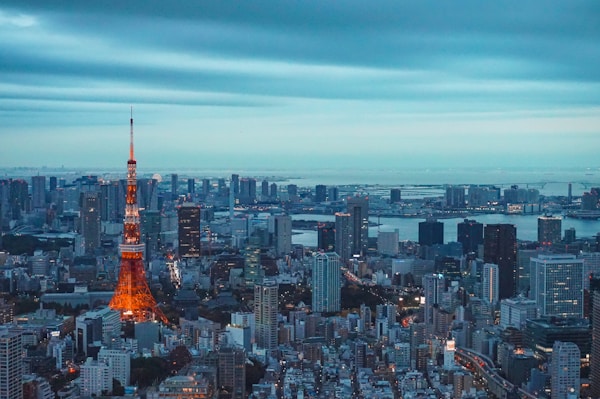
The world’s tallest tower at 634 meters (2,080 feet). Two observation decks offer incredible views of Tokyo – on clear days, you can see Mount Fuji! The surrounding Tokyo Solamachi complex has shops, restaurants, and an aquarium.
Tokyo Travel Guide Skytree Tips:
- Book tickets online in advance – significant discount plus skip the line
- Tembo Deck (350m): ¥2,100 weekday, ¥2,300 weekend
- Tembo Galleria (450m): additional ¥1,000 – worth it for the spiral walkway!
- Visit at sunset to see Tokyo in daylight, twilight, and night – magical transition
- Weekday mornings (9-11 AM) are quietest
- Free observation: Sumida Park nearby offers great Skytree views and cherry blossoms in spring
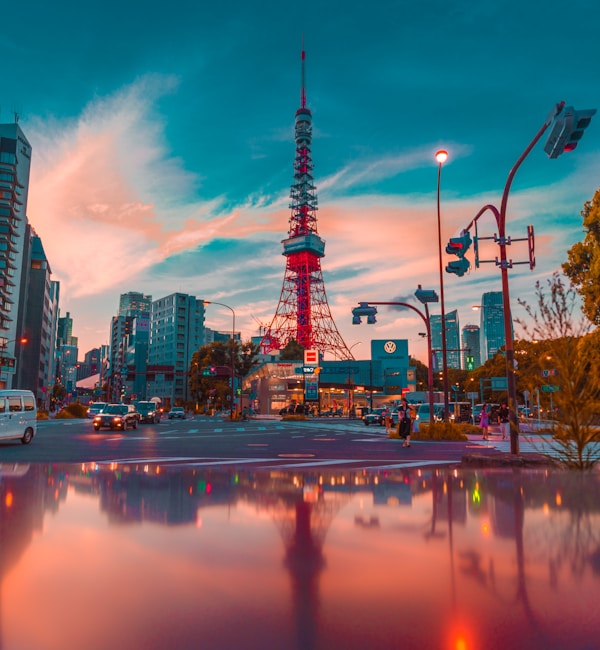
- Alternative: Tokyo Tower (older but iconic, less crowded, ¥1,200)
5. Tsukiji Outer Market
While the famous tuna auction moved to Toyosu, Tsukiji Outer Market remains a food lover’s paradise. Over 400 shops and restaurants serve the freshest seafood, traditional snacks, and kitchen supplies. A must-visit for any tokyo travel guide!
Tokyo Travel Guide Food Tour:
- Visit early morning (7-9 AM) when everything is fresh and energy is high
- Try: tamagoyaki (sweet egg omelet), fresh sashimi, grilled scallops, tuna sashimi rice bowls
- Sushi breakfast at one of many shops (¥2,000-4,000 for excellent quality)
- Watch for “No photos” signs – respect the working market
- Bring cash – many shops don’t accept cards
- Closed Sundays and Wednesdays – check before visiting!
- Most shops close by 2 PM, many by noon
Love food and culture? Check out our Bangkok Travel Guide and Singapore Travel Guide for more amazing Asian destinations!
Hidden Gems in Our Tokyo Travel Guide
This tokyo travel guide reveals lesser-known spots that offer authentic Tokyo experiences:
Yanaka District
Old Tokyo survived here! This charming neighborhood escaped WWII bombings and the 1923 earthquake, preserving traditional wooden houses, small temples, and narrow streets. Walk Yanaka Ginza shopping street, visit cat-themed shops, and explore the historic Yanaka Cemetery. Feels like stepping back 50 years.
Kagurazaka
Former geisha district now a sophisticated neighborhood with French influence. Cobblestone alleyways (yokocho), hidden temples, traditional ryotei (high-end Japanese restaurants), French bistros, and craft shops. Particularly beautiful at night when lanterns illuminate the streets.
Shimokitazawa
Tokyo’s hippest neighborhood! Narrow streets filled with vintage clothing shops, record stores, independent cafes, small theaters, and izakaya. Young, artsy, and authentically Tokyo. Zero chain stores – everything is unique. Great for thrifting and people-watching.
Odaiba
Futuristic island in Tokyo Bay connected by Rainbow Bridge. TeamLab Borderless digital art museum (mind-blowing!), life-size Gundam statue, shopping malls, hot springs with bay views, and relaxed beach atmosphere. Great for families and evening dates.
Koenji
Vintage shopping paradise and nightlife haven. Over 200 vintage shops, punk rock bars, standing bars, and cheap izakaya. Very local, few tourists. Home to Tokyo’s best vintage denim and retro finds at reasonable prices.
Nezu Shrine
Stunning shrine with 1,000+ vermillion torii gates creating a tunnel pathway (like mini Fushimi Inari in Kyoto). April-May azalea festival features 3,000+ bushes in bloom. Free admission, usually uncrowded – a hidden gem according to this tokyo travel guide!
Tokyo Neighborhoods – Tokyo Travel Guide District Breakdown
Understanding Tokyo’s distinct neighborhoods is essential for this tokyo travel guide:
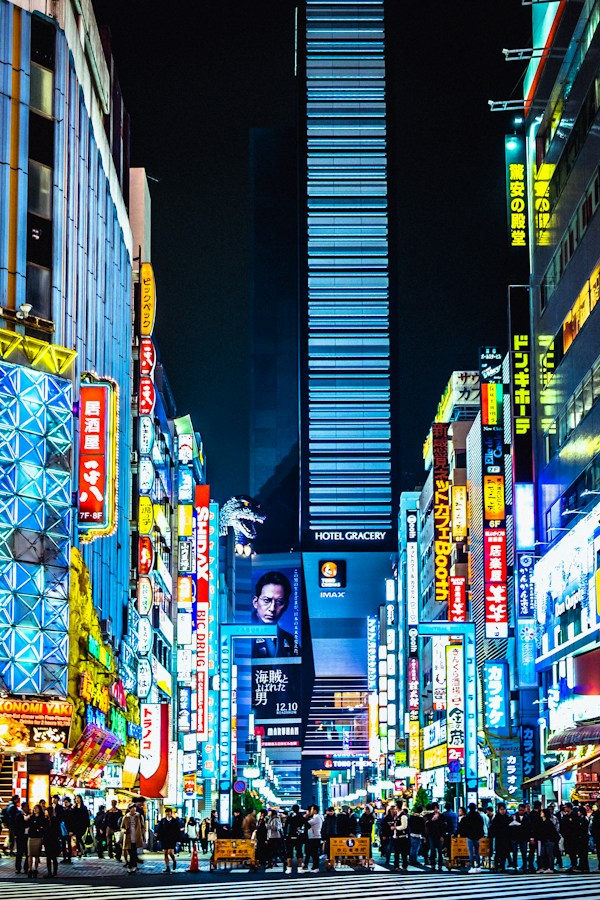
Shinjuku: Tokyo’s busiest district. Shinjuku Station handles 3.5 million people daily! East side: electronics shops, restaurants, Kabukicho red-light district (safe but seedy). West side: skyscrapers, government buildings, hotels. Golden Gai: 200+ tiny bars in narrow alleys. Omoide Yokocho: yakitori alley. Stay here for convenience and nightlife.
Shibuya: Youth culture epicenter. Fashion, technology, entertainment, and that famous crossing. Center of Tokyo’s energy. Department stores, trendy restaurants, and endless shopping. Loud, bright, and exciting 24/7.
Harajuku/Omotesando: Fashion extremes! Takeshita Street (teenagers, colorful fashion, crepes) vs. Omotesando (luxury boutiques, designer stores, sophisticated cafes). Meiji Shrine nearby provides peaceful contrast. Sunday afternoons bring cosplay crowds to Yoyogi Park.
Ginza: Luxury shopping district. High-end department stores, designer boutiques, art galleries, and upscale restaurants. Sunday afternoons, main street closes to cars – perfect for strolling. Expensive but beautiful. Window shopping is free!
Asakusa: Old Tokyo atmosphere. Senso-ji Temple, traditional shops, rickshaws, and kimono rentals. Tourist-heavy but culturally rich. Great for experiencing traditional Japan. Stay here for cheaper hotels and authentic vibes.
Akihabara: Otaku paradise! Electronics, anime, manga, video games, maid cafes, and arcade game centers. Heaven for pop culture fans. Fascinating even if you’re not into anime – represents unique Japanese subculture.
Roppongi: International nightlife district. Clubs, bars, restaurants catering to foreigners. Art Triangle: National Art Center, Mori Art Museum, Suntory Museum. Mix of high culture and party scene. Expensive.
Tokyo Food Guide – Must-Try Dishes in This Tokyo Travel Guide
Tokyo has more Michelin stars than any city in the world! But amazing food exists at every price point. This tokyo travel guide covers essential culinary experiences:
Must-Try Tokyo Foods
- Sushi: Sushi Dai/Daiwa at Toyosu Market (¥4,000, arrive 4 AM for queue), Sushi Zanmai (24/7, ¥2,000-5,000), or conveyor belt sushi (¥100+ per plate). Fresh tuna melts in your mouth!
- Ramen: Every neighborhood has excellent shops. Try: Ichiran (private booths, customizable), Ippudo (tonkotsu specialist), Afuri (yuzu-flavored), Tsuta (Michelin-starred, ¥1,000)
- Tempura: Tsunahachi (Shinjuku, ¥1,000 lunch sets), Tempura Kondo (Michelin-starred perfection), or department store food halls
- Tonkatsu: Breaded deep-fried pork cutlet. Maisen (Aoyama) or Butagumi (Nishi-Azabu) – crispy outside, juicy inside, amazing!
- Yakitori: Grilled chicken skewers. Visit Yakitori Alley near Yurakucho Station or Omoide Yokocho (Shinjuku) for authentic atmosphere
- Monjayaki: Tokyo’s version of okonomiyaki (savory pancake). Tsukishima is monjayaki town – over 50 restaurants!
- Wagyu Beef: A5 grade Japanese beef. Expensive (¥10,000+) but unforgettable. Try yakiniku (BBQ) or sukiyaki for experience
- Street Food: Taiyaki (fish-shaped cake), takoyaki (octopus balls), yakiimo (roasted sweet potato), crepes in Harajuku
Unique Tokyo Dining Experiences
Depachika (Department Store Food Halls): Basement floors of major department stores. Beautifully displayed prepared foods, bentos, sweets, and delicacies. Try before you buy! Isetan, Takashimaya, Mitsukoshi are excellent.
Conveyor Belt Sushi (Kaiten-zushi): Fun, affordable, and delicious. Color-coded plates (¥100-500). Genki Sushi, Kura Sushi, and Sushiro are popular chains. Some have tablet ordering systems with English options.
Standing Bars (Tachinomiya): Stand-up drinking establishments with cheap food and drinks. Very local atmosphere, often no English, but welcoming. Usually ¥300-500 per drink/dish.
Themed Cafes: Only in Tokyo! Maid cafes (Akihabara), cat cafes, owl cafes, hedgehog cafes, vampire cafes, robot restaurant (though it’s more show than food). Unique experiences even if food is secondary.
Tokyo Travel Guide Dining Tips
- Many restaurants have plastic food displays – point if language barrier exists
- Vending machine ticket systems common – buy ticket, hand to staff, receive food
- No tipping in Japan – it’s actually considered rude!
- Say “itadakimasu” before eating (I humbly receive), “gochisosama deshita” after (thank you for the meal)
- Lunch sets (¥800-1,500) are excellent value – same food costs double at dinner
- Slurping noodles is polite – shows you’re enjoying them!
- Popular restaurants often have long queues – arrive before opening or off-peak hours
- Convenience stores (konbini) have surprisingly good food – onigiri, bentos, snacks
- 7-Eleven, FamilyMart, Lawson – each has unique offerings worth trying
Getting Around – Tokyo Travel Guide Transportation
Tokyo’s train system is legendary – efficient but complex. This tokyo travel guide demystifies transportation:
The Train System: Multiple companies operate different lines. Main ones: JR (Yamanote circular line connects major areas), Tokyo Metro (orange “M”), Toei Subway (green leaf symbol). All accept IC cards, making transfers seamless.
IC Cards – Tokyo Travel Guide Essential:
- Suica or Pasmo – rechargeable smart cards for all trains, buses, and many shops
- Buy at any train station (¥2,000: ¥500 deposit + ¥1,500 credit)
- Tap on entry and exit – automatic fare calculation
- Works at convenience stores, vending machines, coin lockers, some restaurants
- Refundable at JR stations when leaving (minus ¥220 handling fee)
- ESSENTIAL for smooth travel – get one immediately upon arrival!
Tokyo Travel Guide Train Tips:
- Google Maps is your best friend – accurate train routing in English
- Rush hour (7:30-9:00 AM, 6:00-7:30 PM) – avoid if possible, trains packed to 200% capacity!
- Last trains around midnight – miss it and taxis are expensive (¥5,000-10,000+)
- Women-only cars available during rush hour (pink signs)
- Be quiet on trains – phone calls frowned upon, keep conversations low
- Stand on left side of escalators (right in Osaka) – let people pass on right
- Major stations like Shinjuku and Tokyo Station are MASSIVE – allow extra time for connections
JR Pass: Unlimited JR trains for 7/14/21 days. Worth it ONLY if taking shinkansen (bullet train) to other cities (Kyoto, Osaka, etc.). Not worth it for Tokyo-only travel. Calculate carefully before buying!
Taxis: Clean, safe, but expensive. Base fare ¥500, then ¥100 per 300m. Useful for late nights or when carrying luggage. Doors open/close automatically – don’t touch them! Most drivers speak limited English – have address in Japanese.
Buses: More complicated than trains but cover areas trains don’t. Pay when exiting, usually ¥210 flat fare. Suica/Pasmo accepted. Google Maps includes bus routes.
Money-Saving Tips from Our Tokyo Travel Guide
Tokyo is expensive but manageable! This tokyo travel guide shows how to save:
- Convenience store meals: ¥500-800 for filling, quality meal – onigiri, bentos, sandwiches, salads
- Lunch instead of dinner: Same restaurants cost 40-50% less at lunch. Eat your big meal midday!
- Free attractions: Meiji Shrine, Senso-ji Temple, Imperial Palace East Gardens, Yoyogi Park, many shrines/temples, observation decks in government buildings
- 100-yen shops: Daiso, Seria, Can-Do – amazing quality for $1 items. Great for snacks, souvenirs, necessities
- Supermarket timing: After 8 PM, prepared foods discounted 20-50%. Perfect for budget dinner!
- Free WiFi: Many stations, convenience stores, and cafes. Download offline maps beforehand
- Happy hour drinks: Izakaya and bars often have 5-7 PM specials – beer ¥200-300 instead of ¥500-700
- Stay in hostels or capsule hotels: ¥2,000-4,000/night vs ¥10,000+ for hotels. Clean, safe, and social
- Cook in hostels: Supermarkets have great ingredients for ¥500-1,000 per meal
- Free observation decks: Tokyo Metropolitan Government Building (free, 202m), Caretta Shiodome (46th floor, free)
Daily Budget Estimates:
- Budget: ¥5,000-8,000 (USD$33-53) – hostel, convenience store food, free attractions, limited train travel
- Mid-range: ¥12,000-20,000 (USD$80-133) – business hotel, mix of affordable restaurants, multiple attractions
- Luxury: ¥30,000+ (USD$200+) – nice hotels, kaiseki dinners, taxis, shopping
Day Trips from Tokyo – Tokyo Travel Guide Excursions
This tokyo travel guide includes incredible nearby destinations accessible by train:
Mount Fuji & Hakone
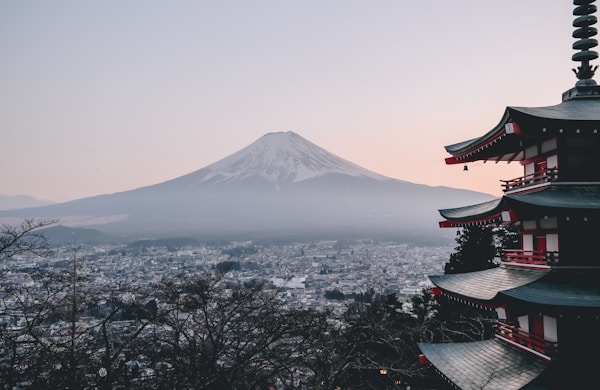
Japan’s iconic volcano and hot spring resort town. Take Romancecar train (2 hours) to Hakone, enjoy hot springs, Lake Ashi boat cruise, ropeway with Fuji views (weather permitting), and open-air museum. Buy Hakone Free Pass (¥6,100 from Shinjuku) covering all transport. Overnight recommended but doable as long day trip.
Nikko
UNESCO World Heritage temples and nature. Toshogu Shrine’s intricate gold decorations are breathtaking. Beautiful hiking, waterfalls, and hot springs. 2 hours by train from Asakusa (¥2,800 one-way, or JR Pass if you have one). Best in autumn for fall foliage.
Kamakura
Ancient capital with giant Buddha statue, beautiful temples, hiking trails, and beach. Only 1 hour from Tokyo (¥920). Perfect half-day or day trip. Less crowded than Kyoto but similar temple atmosphere. Try shirasu (whitebait) don – local specialty!
Yokohama
Japan’s second-largest city, 30 minutes from Tokyo (¥470). Chinatown (Japan’s largest), waterfront, ramen museum, Cup Noodles Museum, and Minato Mirai 21 modern district. Great for evening – beautiful night views and cheaper hotels than Tokyo.
Kawagoe
“Little Edo” – preserved traditional warehouses and streets from Edo period. Feel like stepping back 200 years! Only 30 minutes from Ikebukuro (¥470). Less touristy than other day trips. Famous for sweet potato snacks and candy street.
Sample 5-Day Tokyo Travel Guide Itinerary
This sample itinerary from our tokyo travel guide balances major sights with local experiences:
Day 1: Traditional Tokyo
- Morning: Senso-ji Temple and Nakamise Street (arrive 7 AM to beat crowds)
- Late Morning: Walk to Skytree (30 min) or take train, visit observation decks
- Lunch: Ramen or sushi near Skytree
- Afternoon: Akihabara – anime/electronics district, explore arcades and shops
- Evening: Ueno Park area, izakaya dinner at Ameyoko market street
Day 2: Modern Tokyo
- Morning: Tsukiji Outer Market for fresh seafood breakfast (arrive 8 AM)
- Late Morning: Ginza shopping district, window shopping luxury
 0
0 20
20 20
20 20
20