This authentic pad thai recipe delivers the perfect balance of sweet, salty, sour, and umami flavors that make Thailand’s most famous street food irresistible. Whether you’re a Thai food enthusiast or cooking pad thai for the first time, this comprehensive guide walks you through every step to create restaurant-quality noodles with tamarind sauce, fresh shrimp, crunchy peanuts, and aromatic herbs in just 15 minutes.
Learning an authentic pad thai recipe means understanding the delicate balance of flavors that defines Thai cuisine. Unlike Americanized versions loaded with ketchup, true pad thai relies on tamarind paste for tanginess, fish sauce for umami depth, and palm sugar for subtle sweetness. This recipe stays faithful to traditional Bangkok street cart methods while adapting techniques for home kitchens, ensuring you achieve that signature smoky wok flavor and perfect noodle texture every time.
According to Serious Eats’ Thai cooking experts, the key to mastering an authentic pad thai recipe lies in high heat cooking and proper ingredient preparation. With the right ingredients and techniques, you’ll create pad thai that rivals the best Thai restaurants, impressing family and friends with your culinary skills.
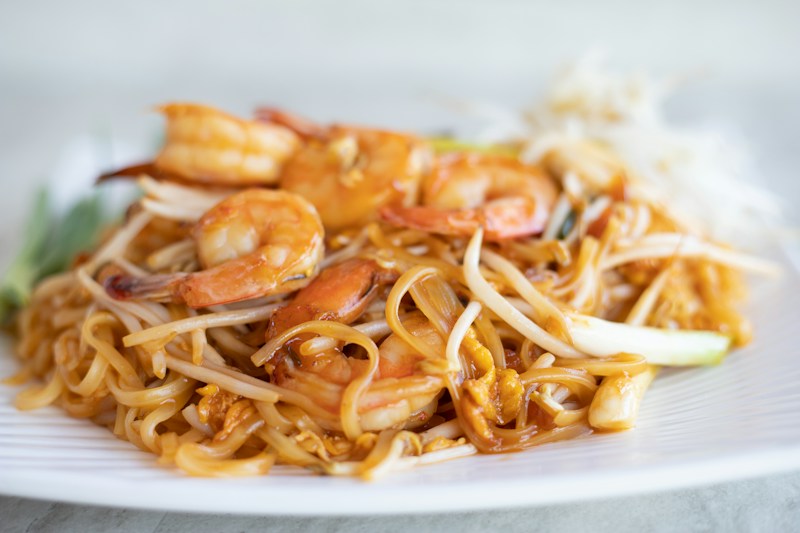
Why This Authentic Pad Thai Recipe Works
This authentic pad thai recipe succeeds because it respects traditional Thai cooking principles while remaining accessible to home cooks. The secret lies in three critical elements: using proper rice noodles (sen lek, not vermicelli), creating a balanced tamarind-based sauce, and cooking over very high heat to achieve that signature charred flavor called “wok hei.”
Many Western versions of this authentic pad thai recipe substitute ingredients that fundamentally change the dish. We avoid these shortcuts, instead using readily available authentic ingredients from Asian markets. The result is pad thai with complex flavor layers—tangy from tamarind, savory from fish sauce, sweet from palm sugar, with textural contrast from crunchy peanuts and fresh bean sprouts.
Essential Ingredients for Authentic Pad Thai Recipe
Tamarind Paste: The Soul of Pad Thai
The most critical ingredient in any authentic pad thai recipe is tamarind paste. This tangy, slightly sweet paste comes from tamarind pods and provides the signature sour flavor that defines pad thai. Avoid tamarind “sauce” or “concentrate for drinks”—you want pure tamarind paste or pulp that you mix with water yourself.
Find tamarind paste at Asian grocery stores, usually sold in blocks or jars. Some come with seeds that need straining. When using in this authentic pad thai recipe, dissolve it completely in the sauce mixture for even distribution. The tamarind’s complex acidity cannot be replicated with lime juice or vinegar alone—it’s what makes pad thai unmistakably Thai.
Fish Sauce: Umami Depth
Fish sauce (nam pla in Thai) adds essential savory depth to this authentic pad thai recipe. Made from fermented anchovies, it might smell strong in the bottle, but it mellows beautifully when cooked, providing umami richness that salt alone cannot achieve. Brands like Red Boat, Three Crabs, or Squid brand work excellently.
Don’t be tempted to reduce or omit fish sauce from this authentic pad thai recipe thinking it will taste “fishy”—it won’t. The fermentation process creates amino acids that enhance all other flavors. For vegetarian versions, substitute with soy sauce or vegetarian fish sauce alternatives available at specialty stores.
Palm Sugar: Balanced Sweetness
Palm sugar, made from palm tree sap, offers subtle sweetness with caramel undertones that white sugar lacks. In this authentic pad thai recipe, palm sugar balances the sour tamarind and salty fish sauce, creating harmony. It comes in hard blocks or softer paste form—either works, though softer paste dissolves more easily.
If you cannot find palm sugar for this authentic pad thai recipe, light brown sugar is an acceptable substitute. Dark brown sugar works but has stronger molasses flavor. Avoid white sugar—it lacks the depth that makes pad thai special. The goal is balanced sweetness that supports other flavors rather than dominating them.
Common Mistakes When Making Authentic Pad Thai Recipe
Even experienced cooks make errors when attempting an authentic pad thai recipe. Understanding these common pitfalls helps you avoid them:
- Over-soaking noodles: Mushy noodles ruin pad thai. Soak until pliable but firm—they finish cooking in the wok.
- Low heat cooking: Pad thai needs very high heat for proper texture and that slight char. Low heat makes it soggy and bland.
- Wrong noodle type: Thin vermicelli or wide noodles don’t work. Use sen lek (medium rice noodles) for authentic pad thai recipe texture.
- Adding too much sauce: Pad thai should be lightly coated, not swimming in sauce. Start with less—you can always add more.
- Skipping preserved radish: This ingredient adds authentic umami saltiness. Don’t skip it if you want true authentic pad thai recipe flavor.
- Using ketchup: Never, ever use ketchup in pad thai. It’s an Americanized shortcut that destroys authenticity.
- Overcrowding the
 0
0 20
20 20
20 20
20