This authentic Thai tom yum hot pot recipe brings the explosive flavors of Thailand’s most famous soup to your dining table as an interactive, communal meal experience. Combining the signature spicy-sour-fragrant notes of tom yum with the convivial hot pot tradition, this recipe creates a memorable feast where diners cook fresh seafood, meat, and vegetables in aromatic lemongrass-galangal broth that grows more flavorful with each addition, making every bite a celebration of Thai culinary excellence.
Learning an authentic Thai tom yum hot pot recipe means understanding the delicate balance of flavors that defines Thai cuisine: spicy from chilies, sour from lime and tamarind, salty from fish sauce, and aromatic from fresh herbs like lemongrass, galangal, and kaffir lime leaves. Unlike heavy, cream-based hot pots, tom yum hot pot features a light, intensely flavored broth that stimulates appetite rather than overwhelming it, making it perfect for lengthy, leisurely meals with family and friends.
According to Serious Eats’ Thai cooking experts, mastering this authentic Thai tom yum hot pot recipe requires understanding how aromatics infuse the broth and how to maintain the balance of spicy, sour, and salty throughout the meal. With proper technique and fresh ingredients, you’ll create a restaurant-quality Thai hot pot that rivals the best Bangkok steamboat restaurants, impressing guests with vibrant flavors and interactive dining excitement.
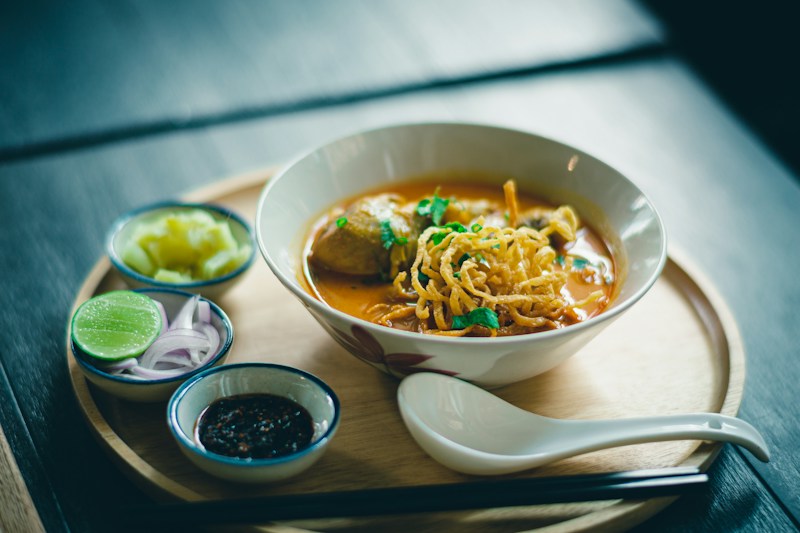
Why This Authentic Thai Tom Yum Hot Pot Recipe Works
This authentic Thai tom yum hot pot recipe succeeds because it builds complex flavor through layered aromatics and maintains the essential balance that makes tom yum unforgettable. The broth starts with a foundation of chicken or seafood stock infused with bruised lemongrass, sliced galangal, torn kaffir lime leaves, and smashed bird’s eye chilies. These aromatics release their essential oils gradually, creating depth impossible to achieve with shortcuts or dried spices.
The genius of this authentic Thai tom yum hot pot recipe lies in its evolution throughout the meal. As diners cook seafood, meat, and vegetables in the communal pot, each ingredient contributes its essence to the broth, making it progressively richer and more complex. The acidity from lime juice and tamarind cuts through richness, the fish sauce adds umami depth, and the chilies provide warmth that builds gradually. By meal’s end, the broth transforms into liquid gold worth savoring alone.
Essential Ingredients for Authentic Thai Tom Yum Hot Pot Recipe
Lemongrass: The Citrus Foundation
Lemongrass is arguably the most critical aromatic in this authentic Thai tom yum hot pot recipe, providing the distinctive citrusy, floral notes that make tom yum instantly recognizable. Use only the tender bottom 6 inches of fresh lemongrass stalks—the upper green parts are too fibrous. Bruising stalks with a knife or pestle before adding to broth releases essential oils that would otherwise remain trapped, maximizing flavor extraction.
Find fresh lemongrass at Asian markets, specialty grocers, or increasingly at mainstream supermarkets. For this authentic Thai tom yum hot pot recipe, avoid dried lemongrass or lemongrass paste—they lack the bright, complex flavor of fresh. In a pinch, substitute lemon zest (1 tablespoon per stalk) combined with a bit of fresh ginger, though the flavor won’t be identical. Lemongrass freezes well, so buy extra when available and store for future hot pot sessions.
Galangal: The Ginger Cousin
Galangal, a rhizome related to ginger, contributes sharp, pine-like, slightly medicinal notes that distinguish authentic tom yum from ginger-based soups. Essential for this authentic Thai tom yum hot pot recipe, galangal has firmer texture and more intense flavor than ginger. Slice it paper-thin—it’s tougher than ginger and doesn’t soften much during cooking, so it’s typically removed before eating or left for flavor only.
Fresh galangal appears at Asian markets, often near ginger or in the frozen section. For this authentic Thai tom yum hot pot recipe, fresh is vastly superior to powdered galangal (galangal powder), though frozen galangal works reasonably well. If absolutely impossible to find, substitute fresh ginger plus a tiny pinch of white pepper, understanding the flavor will differ from traditional tom yum. The unique taste galangal brings makes the effort to source it worthwhile.
Kaffir Lime Leaves: Aromatic Essence
Kaffir lime leaves (also called makrut lime leaves) provide irreplaceable aromatic intensity to this authentic Thai tom yum hot pot recipe. These dark green, hourglass-shaped leaves release intoxicating citrus perfume when torn or bruised. Unlike regular lime zest, kaffir lime leaves have complex floral notes that create authentic Thai flavor. Tearing leaves rather than cutting them helps release essential oils more effectively.
Fresh kaffir lime leaves are ideal for this authentic Thai tom yum hot pot recipe, found at Southeast Asian markets. They freeze excellently—buy a bag and freeze for months of use. Dried leaves work in a pinch (use double the amount), though they lack the vibrant aroma of fresh. Regular lime zest cannot substitute—the flavor profile is completely different. If absolutely unavailable, omit rather than substitute, increasing other aromatics slightly to compensate for missing complexity.
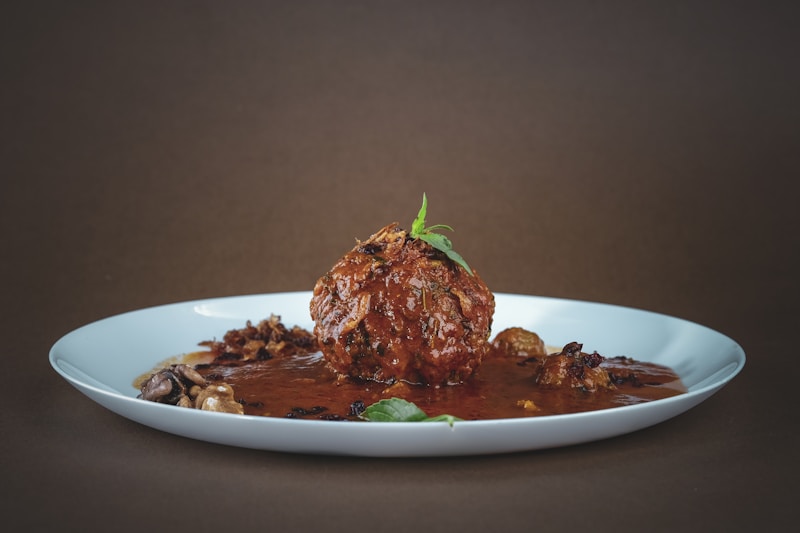
Common Mistakes When Making Thai Tom Yum Hot Pot
Even experienced cooks encounter challenges when preparing this authentic Thai tom yum hot pot recipe. Understanding these frequent errors helps you avoid them:
- Using dried or paste aromatics: Fresh lemongrass, galangal, and kaffir lime leaves are non-negotiable for authentic flavor. Dried versions or pastes create flat, one-dimensional taste in this authentic Thai tom yum hot pot recipe.
- Adding lime juice too early: Lime juice added at the beginning loses its bright acidity during cooking. Add it midway through the meal or to individual bowls for fresh, vibrant sourness.
- Weak broth seasoning: The broth must be intensely flavored since ingredients cooked in it dilute the taste. Season boldly—it should taste almost too strong initially.
- Overcooking seafood: Shrimp, fish, and squid become rubbery when overcooked. Watch carefully and remove as soon as done—usually 2-4 minutes maximum.
- Wrong heat level: Broth should simmer actively but not boil violently. Too low and food cooks slowly; too high and delicate items fall apart in this authentic Thai tom yum hot pot recipe.
- Skipping nam prik pao: Thai chili paste adds essential smoky, complex depth. Regular chili sauce or Sriracha cannot replicate this specific flavor.
- Not bruising aromatics: Simply cutting lemongrass or kaffir lime leaves doesn’t release oils. Bruising or tearing is crucial for maximum flavor extraction.
- Using low-quality fish sauce: Fish sauce quality varies dramatically. Premium brands (Three Crabs, Red Boat) create better-tasting broth for your authentic Thai tom yum hot pot recipe.
- Insufficient ingredient variety: Hot pot should feature diverse textures and flavors. Don’t limit yourself to one or two proteins—variety creates exciting eating experience.
Delicious Variations of Authentic Thai Tom Yum Hot Pot Recipe
Tom Yum Goong (Shrimp-Focused Version)
Transform this authentic Thai tom yum hot pot recipe into shrimp lover’s dream by making seafood the star. Use shrimp shells and heads to make rich seafood stock as the base, then feature various shrimp preparations—whole large shrimp, shrimp balls, shrimp wontons. Add squid and fish, but let shrimp dominate. The result is deeply oceanic hot pot with concentrated shrimp flavor that seafood enthusiasts adore.
Creamy Tom Yum Hot Pot (Tom Yum Nam Khon)
Create richer version of this authentic Thai tom yum hot pot recipe by adding evaporated milk or coconut milk to the broth after seasoning. Use about ½ cup per 2 liters of broth for creamy but not heavy texture. The milk mellows spiciness slightly while adding luxurious body. This “white tom yum” style is popular in Thai restaurants and offers different but equally delicious experience from clear tom yum.
Vegetarian Tom Yum Hot Pot
Adapt this authentic Thai tom yum hot pot recipe for plant-based diets using vegetable stock and substituting soy sauce for fish sauce. Focus on mushroom variety (shiitake, enoki, oyster, king oyster) for umami depth. Add extra tofu, mock meats, and diverse vegetables. Include vegetarian shrimp or fish substitutes if desired. The aromatic broth still delivers authentic tom yum flavor while accommodating dietary preferences.
Tom Yum with Pork Ribs (Tom Yum Graduk Moo)
For heartier version of this authentic Thai tom yum hot pot recipe, use pork rib stock as base and include pork ribs as one of the proteins. The bones contribute rich collagen and deep pork flavor to broth. Simmer ribs until tender before starting hot pot service. This variation creates more substantial meal perfect for cold weather, combining tom yum’s bright flavors with comforting richness of bone-in pork.
The Cultural Significance of Hot Pot in Thailand
Understanding the cultural context enriches your experience with this authentic Thai tom yum hot pot recipe. Hot pot (called “suki” in Thailand, borrowed from Japanese sukiyaki) represents communal eating at its finest—family and friends gathering around bubbling pot, cooking together, sharing food and conversation. This style of dining emphasizes connection over speed, encouraging leisurely meals where relationships deepen through shared experience.
The adaptation of hot pot to feature tom yum flavors in this authentic Thai tom yum hot pot recipe showcases Thai cuisine’s genius for fusion. By combining the Chinese/Japanese hot pot tradition with Thailand’s most iconic soup, Thai cooks created something uniquely Thai that honors both traditions. Tom yum hot pot appears everywhere in Thailand—from street-side restaurants to upscale establishments, demonstrating its universal appeal across economic classes.
In Thai culture, this authentic Thai tom yum hot pot recipe style meal often marks celebrations, family gatherings, or special occasions. The interactive nature makes it ideal for groups, while the variety accommodates different tastes and dietary preferences at one table. The practice of adjusting broth seasoning throughout the meal reflects Thai cooking philosophy of balance and adaptation—nothing is rigidly fixed; everything adjusts to circumstances and preferences.
 0
0 20
20 20
20 20
20