Authentic Pad Thai Recipe – Ready in 30 Minutes
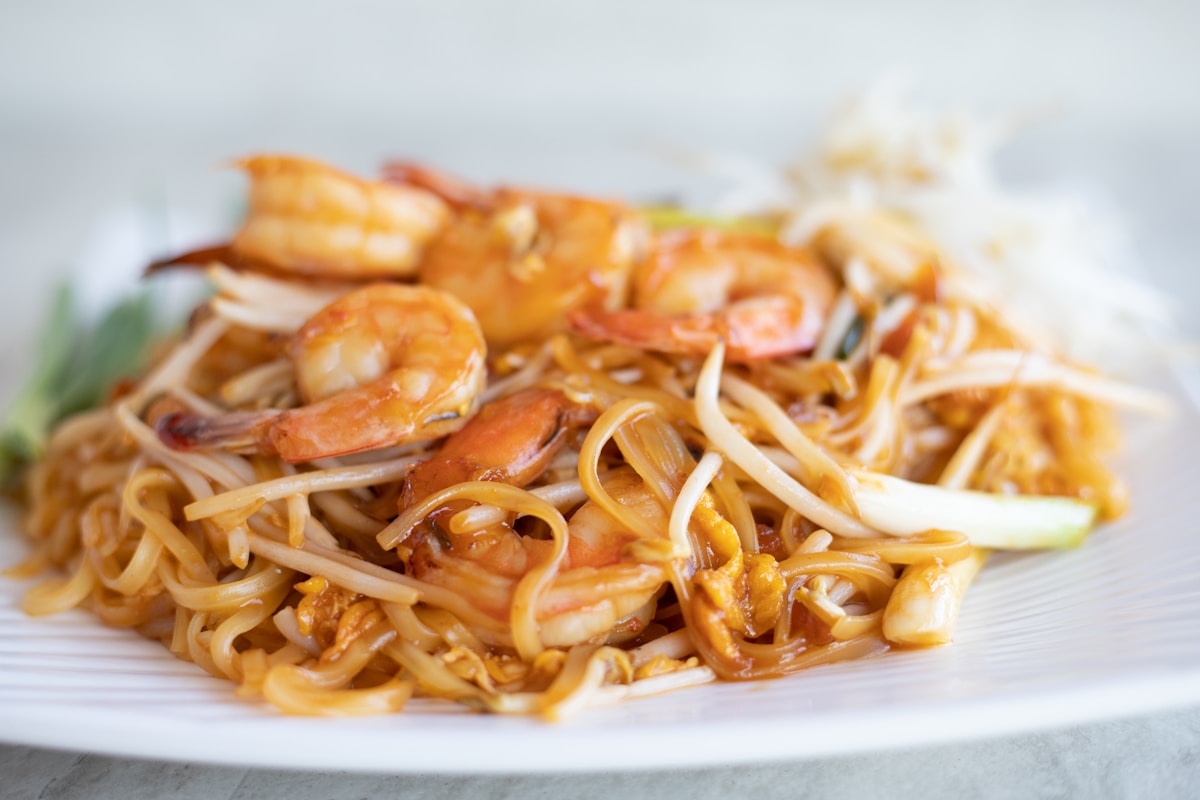
This pad thai recipe brings the authentic flavors of Thailand right to your kitchen! Ready in just 30 minutes, this classic pad thai recipe features chewy rice noodles, tender protein, and a perfect balance of sweet, salty, sour, and umami flavors. Learn how to make restaurant-quality pad thai at home with this easy, step-by-step guide.
Pad Thai is Thailand’s most famous street food dish, beloved worldwide for its complex flavors and satisfying textures. This pad thai recipe uses traditional ingredients and authentic techniques to create a dish that rivals any Thai restaurant version.
Why This Pad Thai Recipe Works
The secret to an amazing pad thai recipe lies in the sauce. This recipe uses the perfect ratio of tamarind paste, fish sauce, and palm sugar to create that signature sweet-tangy-savory flavor profile. The key is getting your wok screaming hot and working quickly to achieve that authentic “wok hei” smoky flavor.
Love Asian noodle dishes? Try our Chicken Teriyaki Recipe, Beef Stir Fry Recipe, or Fried Rice Recipe for more delicious options!
Essential Ingredients for This Pad Thai Recipe
Here’s everything you need to make this authentic pad thai recipe at home:
Authentic Pad Thai Recipe
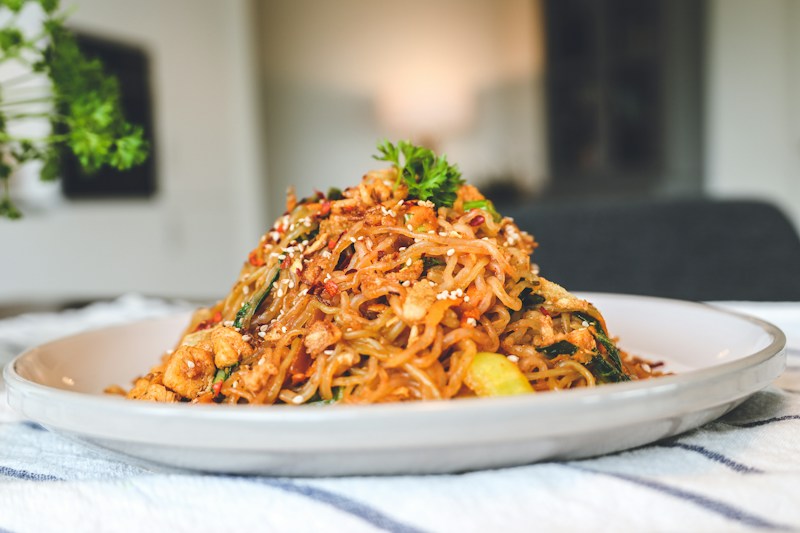
Restaurant-quality pad thai recipe made at home! This authentic Thai noodle dish features perfectly cooked rice noodles in a sweet-tangy sauce with your choice of protein.
Ingredients
For the Pad Thai Sauce:
- 3 tablespoons tamarind paste
- 3 tablespoons fish sauce
- 3 tablespoons palm sugar (or brown sugar)
- 1 tablespoon rice vinegar
- 1 teaspoon soy sauce
- 1/4 teaspoon cayenne pepper (optional, for heat)
For the Noodles:
- 8 oz (225g) dried rice noodles (about 1/4 inch wide)
- 3 tablespoons vegetable oil, divided
- 3 cloves garlic, minced
- 2 shallots, thinly sliced
- 8 oz (225g) protein (shrimp, chicken, or tofu), cut into bite-sized pieces
- 2 large eggs, beaten
- 1 cup bean sprouts, divided
- 3 green onions, cut into 2-inch pieces
- 1/4 cup preserved radish (optional but traditional)
- 3 tablespoons dried shrimp (optional but adds authentic flavor)
For Serving:
- 1/4 cup roasted peanuts, crushed
- Lime wedges
- Fresh cilantro
- Bean sprouts
- Dried chili flakes
- Extra fish sauce (for adjusting flavor)
Step-by-Step Instructions
- Prepare the noodles: Soak rice noodles in room temperature water for 30-40 minutes until pliable but still firm. They should bend without breaking. Drain well and set aside. This is crucial for the perfect pad thai recipe texture!
- Make the sauce: In a small bowl, whisk together tamarind paste, fish sauce, palm sugar, rice vinegar, soy sauce, and cayenne pepper. Mix until sugar dissolves. Taste and adjust – it should be balanced between sweet, salty, and sour. Set aside.
- Prep all ingredients: Have everything measured and ready near your stove. This pad thai recipe cooks very quickly once you start, so preparation is key!
- Heat the wok: Heat a large wok or skillet over high heat. Add 2 tablespoons of oil and swirl to coat. The wok should be very hot – this is essential for authentic pad thai!
- Cook the protein: Add your protein (shrimp, chicken, or tofu) to the hot wok. Stir-fry for 2-3 minutes until just cooked through. Remove from wok and set aside.
- Cook aromatics: Add remaining 1 tablespoon oil to the wok. Add garlic and shallots, stir-fry for 30 seconds until fragrant. If using dried shrimp and preserved radish, add them now and stir-fry for another 30 seconds.
- Add noodles: Add the drained rice noodles to the wok. Pour the sauce over the noodles and toss continuously for 2-3 minutes. The noodles will absorb the sauce and become tender. If they seem too dry, add 1-2 tablespoons of water.
- Add eggs: Push noodles to one side of the wok. Pour beaten eggs into the empty space. Let them set for a few seconds, then scramble and mix into the noodles.
- Combine everything: Return the cooked protein to the wok. Add green onions and half of the bean sprouts. Toss everything together for 1-2 minutes until heated through and well combined.
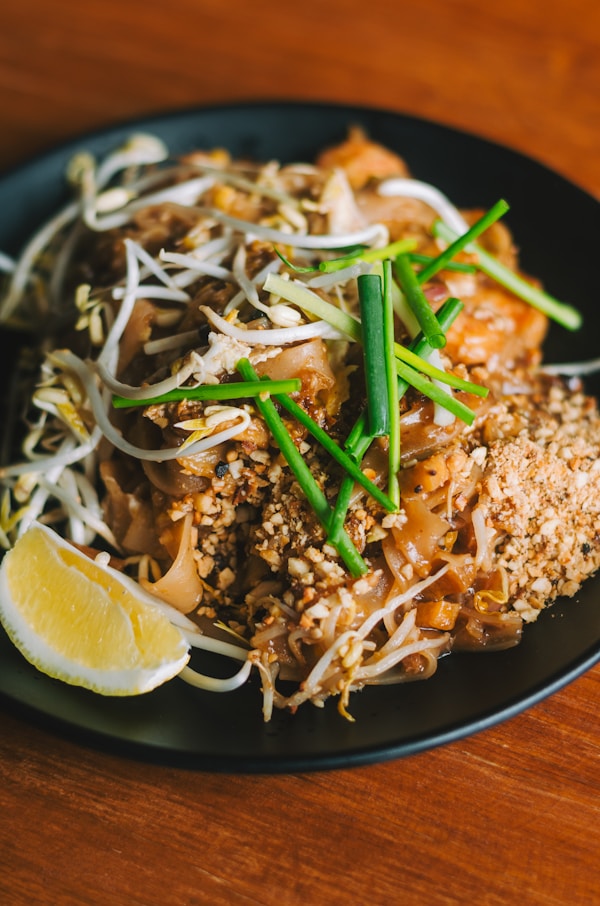
- Serve immediately: Transfer to serving plates. Garnish with crushed peanuts, remaining bean sprouts, cilantro, and lime wedges. Serve with chili flakes and extra fish sauce on the side for guests to adjust to their taste.
Recipe Notes
- Tamarind paste: This is essential for authentic pad thai recipe flavor. Look for seedless tamarind paste in Asian grocery stores. If unavailable, substitute with lime juice mixed with a bit of brown sugar, though the flavor won’t be quite the same.
- Rice noodles: Don’t oversoak! They should still be firm when you start cooking, as they’ll continue to soften in the wok.
- High heat is crucial: A very hot wok gives this pad thai recipe its characteristic smoky flavor and prevents the noodles from becoming mushy.
- Work quickly: Once you start cooking, everything happens fast. Have all ingredients prepped and ready to go!
Nutrition Information (Per Serving with Shrimp)
- Calories: 425 kcal
- Protein: 22g
- Carbohydrates: 58g
- Fat: 12g
- Fiber: 3g
- Sodium: 1350mg
Expert Tips for Perfect Pad Thai Recipe
Don’t oversoak the noodles: This is the most common mistake in any pad thai recipe. Noodles should be pliable but still firm when you start cooking. They’ll soften further in the hot wok with the sauce.
Get your wok smoking hot: High heat is non-negotiable for authentic pad thai recipe flavor. A properly heated wok creates that characteristic “wok hei” or breath of the wok that makes restaurant pad thai so special.
Use fresh tamarind paste: While substitutes exist, nothing quite replicates the complex sweet-sour flavor of tamarind. It’s worth seeking out at Asian markets for an authentic pad thai recipe.
Balance your sauce: The pad thai sauce should taste slightly too strong on its own – it needs to be potent enough to flavor all those noodles. Taste and adjust before adding to the wok.
Cook in small batches: If making a large quantity, cook this pad thai recipe in multiple batches. Overcrowding the wok lowers the temperature and results in steamed rather than stir-fried noodles.
Serve immediately: Pad thai is best enjoyed fresh from the wok. The noodles can become gummy as they sit, so eat right away!
Understanding Pad Thai Recipe Ingredients
An authentic pad thai recipe relies on specific ingredients that create its distinctive flavor profile:
Tamarind paste provides the characteristic tangy-sour flavor. It’s made from the fruit of the tamarind tree and is essential for authentic taste. Look for seedless paste at Asian markets.
Fish sauce adds umami depth and saltiness. It’s fermented fish and salt, and while it smells strong in the bottle, it adds incredible savory complexity to the dish.
Palm sugar gives pad thai its subtle sweetness. It has a more complex flavor than white sugar. Brown sugar makes an acceptable substitute.
Rice noodles are traditionally about 1/4 inch wide (called “sen lek” in Thai). They should be flat and straight, not the round variety used in pho.
Preserved radish (chai poh) adds a sweet-salty crunch. While optional, it contributes to authentic pad thai flavor.
Dried shrimp provide an extra layer of umami. They’re small, orange-pink shrimp that have been dried and salted.
Protein Variations for Your Pad Thai Recipe

This versatile pad thai recipe works beautifully with various proteins:
Shrimp Pad Thai: The most traditional version. Use medium to large shrimp, peeled and deveined. They cook quickly and pair perfectly with the sweet-tangy sauce.
Chicken Pad Thai: Use boneless, skinless chicken breast or thigh, cut into thin strips. Chicken thigh stays more tender and juicy.
Tofu Pad Thai: Use firm or extra-firm tofu, pressed and cubed. Pan-fry until golden before adding to the pad thai recipe. This makes an excellent vegetarian option.
Mixed Seafood Pad Thai: Combine shrimp with squid for a luxurious seafood version. Both cook quickly and complement each other beautifully.
Pork Pad Thai: Thinly sliced pork tenderloin or shoulder works well. Marinate briefly in a little soy sauce for extra flavor.
Vegetarian Pad Thai: Skip the fish sauce (use soy sauce instead), dried shrimp, and meat. Load up on vegetables like bell peppers, carrots, and extra bean sprouts.
Looking for more Asian-inspired dishes? Don’t miss our Chicken Teriyaki Recipe, Beef Stir Fry Recipe, and Fried Rice Recipe!
The Art of Balancing Flavors in Your Pad Thai Recipe
What makes a great pad thai recipe stand out is achieving perfect balance between four key flavors: sweet, salty, sour, and umami. Here’s how to adjust:
Too salty? Add more palm sugar and a squeeze of lime juice to balance. You can also add more noodles or bean sprouts to dilute the saltiness.
Too sweet? Add more fish sauce and tamarind paste to bring acidity and saltiness. A squeeze of fresh lime also helps cut through sweetness.
Too sour? Add more palm sugar to mellow the acidity. Start with small amounts and taste as you go.
Not flavorful enough? The sauce likely needs more fish sauce for umami depth. Remember, the sauce should taste quite strong before mixing with noodles.
Always taste your sauce before adding it to the noodles. It’s much easier to adjust at this stage than after everything is mixed together!
Common Pad Thai Recipe Mistakes and How to Avoid Them
Oversoaking the rice noodles
This is the biggest mistake in most pad thai recipes! Oversoaked noodles become mushy and break apart during stir-frying. Soak only until pliable but still firm – they’ll finish cooking in the wok.
Using low heat
A proper pad thai recipe requires very high heat. Low heat results in steamed noodles rather than stir-fried ones, and you’ll miss out on that crucial smoky “wok hei” flavor.
Adding the sauce too early
Wait until your noodles are already in the hot wok before adding sauce. This prevents the sauce from burning and ensures it coats the noodles evenly.
Skipping the prep work
This pad thai recipe cooks in minutes. If you’re still chopping ingredients while your noodles are burning in the wok, you’re in trouble. Have everything ready before you start cooking!
Not having the right noodles
Pad thai requires flat rice noodles about 1/4 inch wide. Don’t substitute with other types of noodles – the texture and cooking method are specifically designed for rice noodles.
Storage and Reheating Your Pad Thai Recipe
While this pad thai recipe is best enjoyed fresh, you can store leftovers in an airtight container in the refrigerator for up to 2 days. Note that the noodles will continue to absorb sauce and may become softer.
To reheat: The best method is in a wok or large skillet over medium-high heat. Add a splash of water or a drizzle of oil to prevent sticking. Toss constantly until heated through. Microwave reheating works but may result in uneven heating and rubbery texture.
Fresh garnishes: Always add fresh garnishes after reheating – crushed peanuts, bean sprouts, lime wedges, and cilantro. These fresh elements revive leftover pad thai beautifully.
Freezing: This pad thai recipe doesn’t freeze well due to the texture of rice noodles. They become mushy and grainy when thawed. It’s best to make only what you’ll eat.
Frequently Asked Questions About This Pad Thai Recipe
Can I make this pad thai recipe ahead of time?
You can prep all ingredients in advance – make the sauce, soak the noodles, chop vegetables, and prepare protein. Store everything separately in the refrigerator. However, the actual cooking should be done just before serving for best results.
What can I substitute for tamarind paste?
While nothing perfectly replicates tamarind, you can mix equal parts lime juice and rice vinegar with a bit of brown sugar. Some people use Worcestershire sauce, though this changes the flavor profile significantly.
Is this pad thai recipe gluten-free?
It can be! Use gluten-free soy sauce or tamari instead of regular soy sauce. Check that your fish sauce is gluten-free (most are). Rice noodles are naturally gluten-free.
How do I make this pad thai recipe vegetarian?
Replace fish sauce with soy sauce or a vegetarian fish sauce alternative. Skip the dried shrimp. Use tofu or just vegetables as your protein. The rest of the recipe remains the same.
Why did my noodles stick together in clumps?
This usually means the noodles were oversoaked, the wok wasn’t hot enough, or you didn’t toss them quickly enough. Make sure your wok is very hot and keep the noodles moving constantly.
Can I use fresh rice noodles instead of dried?
Yes! Fresh rice noodles don’t need soaking. Simply separate them gently and add directly to your hot wok. Cooking time will be shorter – usually just 2-3 minutes of tossing in the sauce.
What type of wok is best for this pad thai recipe?
A carbon steel wok works best as it gets very hot and distributes heat evenly. However, a large non-stick skillet or stainless steel pan can work if you don’t have a wok. The key is having a large cooking surface and high heat.
Final Thoughts on This Pad Thai Recipe
This authentic pad thai recipe brings the vibrant flavors of Thai street food to your home kitchen. While it requires some special ingredients and technique, the results are absolutely worth it – you’ll have restaurant-quality pad thai that rivals anything you’d find in Thailand.
The key to mastering this pad thai recipe is practice. Your first attempt might not be perfect, but as you get familiar with the timing and heat levels, you’ll develop a feel for when the noodles are perfectly cooked and the flavors are balanced. Don’t be discouraged if it takes a few tries to get it just right!
Remember the essential elements: properly soaked noodles, very high heat, quick cooking, and that perfect balance of sweet, salty, sour, and umami. Master these, and you’ll be making pad thai that impresses everyone who tries it.
Try this pad thai recipe tonight and experience the joy of creating authentic Thai cuisine at home! For more Asian-inspired recipes, check out our Chicken Teriyaki Recipe, Beef Stir Fry Recipe, and Fried Rice Recipe.
Learn More About Pad Thai
The history of Pad Thai: Wikipedia – Pad Thai Origins
Understanding Thai ingredients: Hot Thai Kitchen – Pad Thai Guide
Thai cooking techniques: Serious Eats – Perfect Pad Thai
 0
0 20
20 20
20 20
20