Ultimate Serengeti Safari Guide – Tanzania Wildlife Adventure
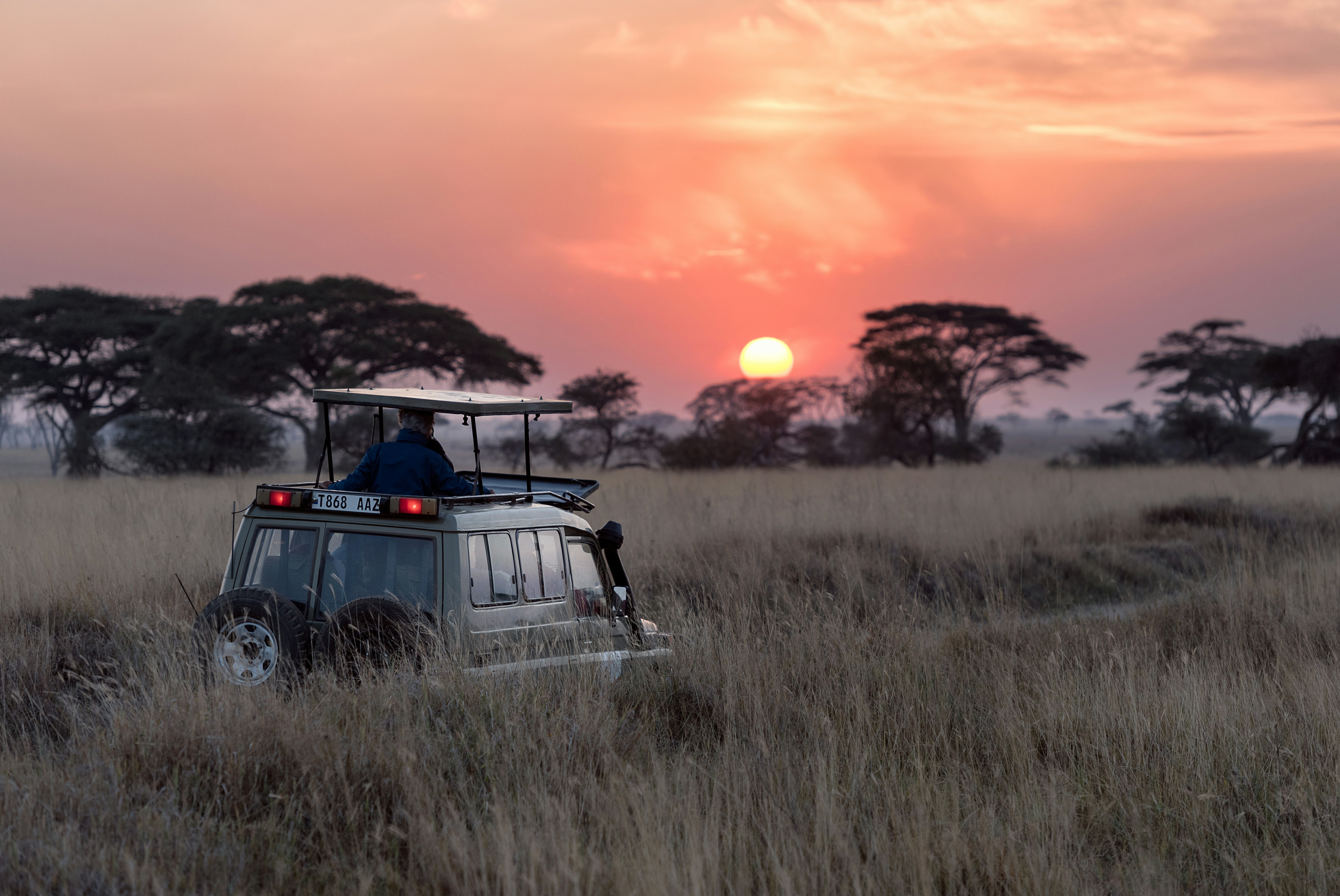
The Serengeti is the crown jewel of African safari destinations, offering unparalleled wildlife viewing across 14,750 square kilometers of pristine savanna in northern Tanzania. This comprehensive serengeti safari guide will help you plan the adventure of a lifetime, from witnessing the Great Migration – one of Earth’s most spectacular natural phenomena – to encountering the Big Five and experiencing luxury under canvas in one of the world’s most famous national parks.
Whether you’re a first-time safari-goer or a seasoned Africa traveler, this serengeti safari guide covers everything you need to know about visiting the Serengeti. From choosing the best time to see specific wildlife events to selecting the right lodge or camp, understanding game drive strategies to maximizing photography opportunities, this guide ensures your Serengeti experience exceeds expectations and creates memories that last forever.
Why the Serengeti – Your Essential Safari Guide
The Serengeti stands apart from other safari destinations for compelling reasons highlighted throughout this serengeti safari guide. First, the sheer density and diversity of wildlife is staggering – over 1.5 million wildebeest, 200,000 zebras, 300,000 Thomson’s gazelles, and thousands of predators including lions, leopards, cheetahs, and hyenas call this ecosystem home.

According to Lonely Planet’s Tanzania guide, the Serengeti offers the most reliable Big Five viewing in Africa. The annual Great Migration sees millions of animals moving in a circular pattern following seasonal rains, creating river crossings and predator interactions that are simply unmatched anywhere else on the planet featured in this serengeti safari guide.
Beyond wildlife, the Serengeti’s landscapes are breathtaking – from endless golden grasslands dotted with acacia trees to dramatic kopjes (rocky outcrops) where leopards lounge, to riverine forests and woodlands. This diversity creates varied habitats supporting different species, making every game drive an adventure covered in this serengeti safari guide.
Understanding the Great Migration – Serengeti Safari Guide
The Great Migration is the beating heart of the Serengeti ecosystem and the primary draw for many visitors in this serengeti safari guide. This continuous circular movement of over 2 million animals following seasonal rains and fresh grass is a year-round phenomenon, though different areas host the herds at different times.
January-March: Calving season in the southern Serengeti (Ndutu area). This serengeti safari guide highlights this as prime time for predator action as vulnerable newborn wildebeest attract lions, cheetahs, and hyenas. Over 8,000 calves are born daily during peak season.
April-May: Long rains begin, herds start moving northwest. This is low season in this serengeti safari guide with fewer tourists and lower prices, though some roads become impassable. Wildlife viewing remains excellent despite unpredictable weather.
June-July: The migration reaches the western corridor and Grumeti River. Dramatic river crossings begin as thousands of animals brave crocodile-infested waters. This serengeti safari guide notes this is when crossing action intensifies.
August-October: The migration concentrates in northern Serengeti near the Mara River. The most famous crossing spectacle occurs here, with massive herds plunging into the river en masse. This period is peak season in this serengeti safari guide with highest prices and visitor numbers.
November-December: Short rains bring herds back south to complete the cycle. Lush grass attracts large concentrations of animals. This shoulder season in this serengeti safari guide offers excellent value with good wildlife viewing and fewer crowds.
Remember, the migration is a natural phenomenon without fixed schedules. Weather patterns and grass conditions determine timing, and this serengeti safari guide emphasizes booking with flexible operators who can adjust itineraries based on current animal locations.
Best Time to Visit – Serengeti Safari Guide Timing
The best time for your Serengeti safari depends on priorities, and this serengeti safari guide breaks down seasons to help you decide. The Serengeti offers extraordinary experiences year-round, though each season has distinct characteristics affecting wildlife viewing, weather, crowds, and pricing.
Dry Season (June-October): Peak safari season featured in every serengeti safari guide. Advantages include predictable weather, easier animal spotting as vegetation thins and animals concentrate around permanent water sources, and the spectacular Mara River crossings. Disadvantages are higher prices, more tourists, and dusty conditions. This is ideal for first-time safari-goers wanting guaranteed excellent wildlife viewing.
Short Rains (November-December): This serengeti safari guide recommends this shoulder season for value and fewer crowds. The landscape transforms to lush green, baby animals are everywhere, and dramatic storm skies create stunning photography. Occasional afternoon showers are short-lived and actually enhance the experience.
Long Rains (March-May): Low season with significant discounts on accommodation. This serengeti safari guide notes that wildlife viewing remains good despite rain, which typically falls in afternoon storms leaving clear mornings for game drives. Some camps close and certain areas become difficult to access, but for budget-conscious travelers seeking solitude, this offers incredible value.
Dry Season (January-February): Calving season in southern Serengeti. This serengeti safari guide highlights this as prime time for predator-prey interactions and baby animal cuteness. Weather is pleasant, and while technically peak season, it’s less crowded than June-October period.
Top Wildlife Viewing Locations in This Serengeti Safari Guide
1. Seronera (Central Serengeti)
The wildlife heartland of this serengeti safari guide, Seronera offers year-round excellent game viewing regardless of migration patterns. The Seronera River and associated woodlands support resident populations of lions, leopards, elephants, buffalos, and giraffes. This area has the highest concentration of leopards in Africa, with rocky kopjes providing perfect leopard spotting opportunities featured prominently in this serengeti safari guide.
2. Northern Serengeti (Kogatende)
Remote and exclusive, the northern sector shines during August-October when the migration concentrates here. The Mara River crossing points offer front-row seats to one of nature’s greatest spectacles. Even outside migration season, this serengeti safari guide notes the area supports excellent resident wildlife and offers wilderness solitude that’s increasingly rare in popular safari destinations.
3. Western Corridor (Grumeti)
This serengeti safari guide highlights June-July as prime time for the western corridor when the migration crosses the Grumeti River. Year-round, this area offers diverse habitats from riverine forest to open plains, supporting hippos, crocodiles, colobus monkeys, and excellent bird watching. The Grumeti reserves flanking the national park provide exclusive luxury lodge experiences.
4. Southern Plains (Ndutu)
From December-March, this is the place to be in this serengeti safari guide. The calving season sees hundreds of thousands of wildebeest giving birth on the short grass plains, attracting every predator in the region. The concentration of wildlife during this period is simply mind-blowing, with thousands of animals visible in single panoramic views.
5. Eastern Serengeti
Less visited but offering excellent value, this serengeti safari guide notes the eastern area provides good general wildlife viewing year-round. The kopje-studded landscape is photogenic, and lower visitor numbers mean more private wildlife encounters. This area works well for budget safaris without compromising experience quality.
Accommodation Options in Your Serengeti Safari Guide
Accommodation in the Serengeti ranges from basic campsites to ultra-luxurious lodges, and this serengeti safari guide covers the spectrum to help you choose. Your choice impacts budget significantly but also influences your overall experience and access to prime wildlife areas.

Luxury Lodges ($800-2000+ per person per night): These permanent structures offer hotel-level comfort with fine dining, swimming pools, and air conditioning. Located in prime locations, they provide reliable comfort and service. However, this serengeti safari guide notes they can feel less adventurous and more insulated from nature. Examples include Four Seasons Safari Lodge Serengeti and Singita properties.
Luxury Tented Camps ($500-1500 per person per night): The quintessential safari experience featured throughout this serengeti safari guide. Large permanent tents with en-suite bathrooms, comfortable beds, and quality furnishings provide comfort while maintaining connection to nature. You’ll fall asleep to lion roars and wake to bird calls. Many offer mobile camps that relocate seasonally following the migration. Properties like &Beyond Serengeti Under Canvas and Nomad Tanzania camps excel here.
Mid-Range Camps ($200-500 per person per night): Comfortable tented camps or simple lodges offering good value in this serengeti safari guide. Amenities are more basic but still comfortable with hot showers, decent meals, and knowledgeable guides. These camps allow longer safaris on moderate budgets without sacrificing wildlife viewing quality.
Budget Camping ($50-150 per person per night): Public campsites scattered throughout the park offer basic facilities. You’ll need to bring camping equipment or book with budget operators who provide gear and cook meals. This serengeti safari guide recommends this option for adventurous travelers on tight budgets willing to sacrifice comfort for authentic wilderness experience.
According to SafariBookings.com, accommodation should be booked 6-12 months ahead for peak seasons featured in this serengeti safari guide, especially for calving season and Mara River crossing periods when the best camps fill completely.
Planning Your Serengeti Safari Guide Itinerary
How long should you spend in the Serengeti? This serengeti safari guide recommends minimum 3 nights, though 4-5 nights allows exploration of multiple areas and increases chances of exceptional wildlife sightings. Remember, this is a vast area – you could spend weeks here and still not see everything.
3-Night Sample Itinerary: Focus on one area based on the season. For example, during calving season, stay in southern Serengeti/Ndutu. During crossing season, camp in northern Serengeti. This concentrated approach in this serengeti safari guide maximizes time on game drives rather than long transfers between camps.
5-Night Sample Itinerary: Split time between two regions – perhaps 2 nights in Seronera for resident wildlife and leopards, then 3 nights following the migration (north, south, or west depending on timing). This allows more comprehensive Serengeti experience highlighted in this serengeti safari guide.
7+ Night Itinerary: The ultimate Serengeti experience in this serengeti safari guide involves mobile camping that moves with the migration, or splitting time between 3+ regions to experience the park’s full diversity. Add fly-camping (sleeping under stars with minimal facilities) for the most authentic bush experience.
Most visitors combine Serengeti with other northern Tanzania parks. This serengeti safari guide suggests adding Ngorongoro Crater (often combined as it’s en route) and possibly Tarangire National Park or Lake Manyara for a comprehensive northern circuit safari lasting 7-10 days total.
Getting to the Serengeti – Transportation Guide
Reaching the Serengeti requires planning, and this serengeti safari guide outlines your options. Most international visitors fly into Kilimanjaro International Airport (JRO) near Arusha, Tanzania’s safari capital, then either drive or take a small aircraft to the Serengeti.
Flying to the Serengeti: Light aircraft fly daily from Arusha to various Serengeti airstrips (Seronera, Kogatende, Grumeti, Ndutu). Flights take 1-2 hours and cost $200-400 per person one way. This serengeti safari guide recommends flying for time-limited visitors or those uncomfortable with long, bumpy drives. The aerial views of the landscapes and wildlife are spectacular bonuses.
Driving to the Serengeti: The drive from Arusha takes 7-8 hours on rough roads. Most drive through Ngorongoro Conservation Area, stopping at the crater en route. This serengeti safari guide notes that while long, the drive allows you to witness the landscape transition and costs less than flying. However, you’ll spend an entire day traveling each direction.
Within the Serengeti: All game viewing uses 4WD safari vehicles. Pop-up roofs allow standing for photography and optimal viewing. Most lodges/camps include unlimited game drives in their rates. This serengeti safari guide emphasizes that your driver-guide makes or breaks your experience – their knowledge, tracking skills, and ability to read animal behavior determine what you see.
Safari Vehicle Options
This serengeti safari guide explains vehicle choices that impact your experience. Private vehicles (just your party) offer flexibility to stay longer at sightings and adjust the schedule to your preferences. Shared vehicles (joining other travelers) cost less but require compromise on timing and interests. Private vehicles are worth the premium for serious photographers or those with specific wildlife interests.
Big Five and More – Wildlife in This Serengeti Safari Guide
While the migration steals headlines, this serengeti safari guide celebrates the incredible diversity of Serengeti wildlife beyond the wildebeest herds. The park offers arguably Africa’s best Big Five viewing – lion, leopard, elephant, buffalo, and rhinoceros (though rhinos are rare and confined to protected zones).
Lions: The Serengeti hosts around 3,000 lions, one of Africa’s largest populations. This serengeti safari guide notes they’re highly visible, often spotted resting in shade during the day or hunting at dawn/dusk. Prides in the Seronera area are particularly habituated to vehicles, allowing close viewing and photography.
Leopards: The park has excellent leopard density, especially around Seronera’s kopjes. These elusive cats are often spotted lounging on rocky outcrops or tree branches during the day. Patient observation around kopjes at dawn or late afternoon yields leopard sightings featured in this
 0
0 20
20 20
20 20
20