Fresh Vietnamese Spring Rolls Recipe – Easy Goi Cuon
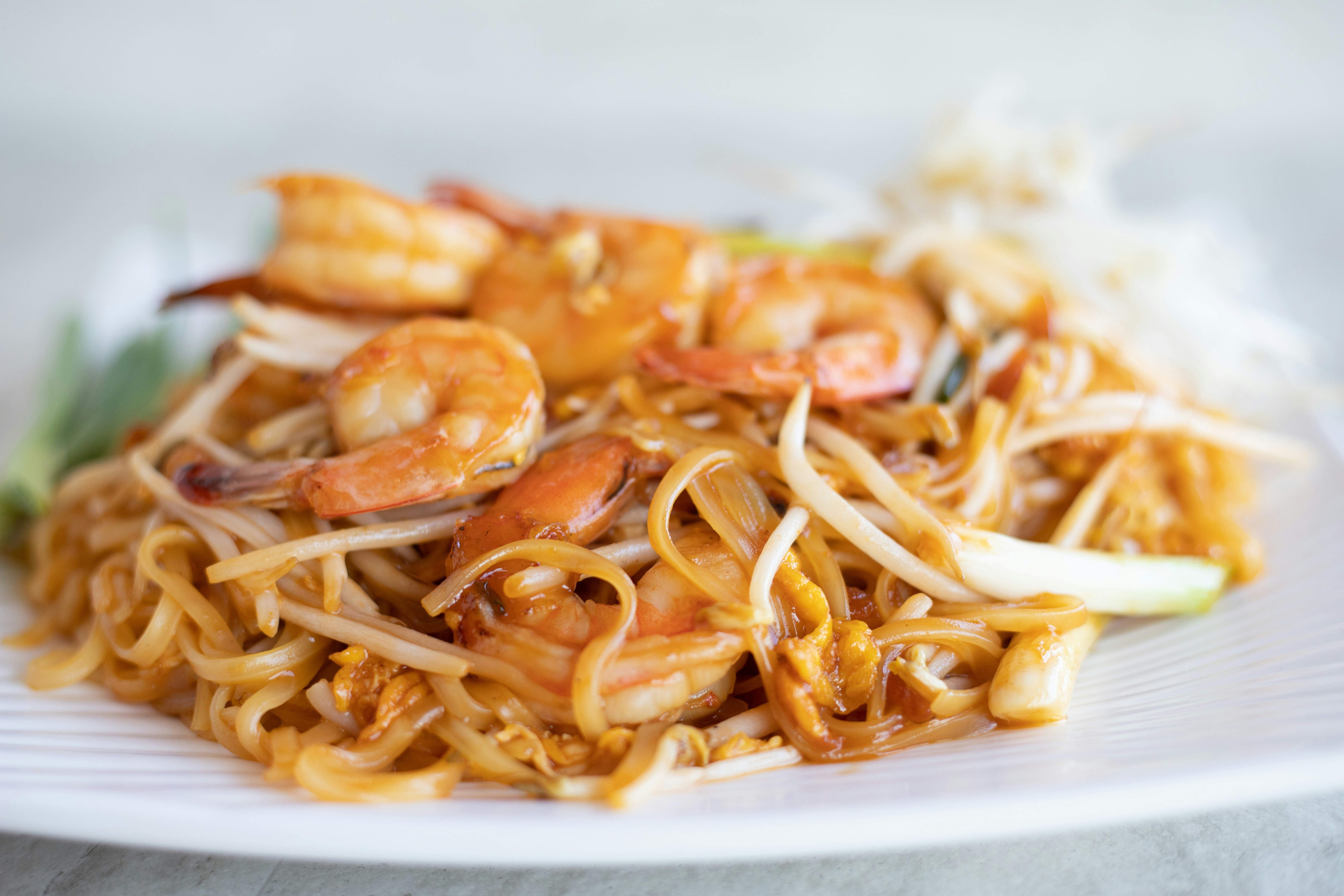
Fresh Vietnamese spring rolls, known as goi cuon, are light, refreshing, and incredibly delicious. This vietnamese spring rolls recipe teaches you how to make these healthy rolls filled with succulent shrimp, crisp vegetables, and aromatic herbs, all wrapped in translucent rice paper and served with a savory peanut sauce.
Unlike fried spring rolls, these fresh Vietnamese spring rolls are served cold and showcase the natural flavors of each ingredient. They’re perfect as an appetizer, light lunch, or healthy snack. The best part? This vietnamese spring rolls recipe requires no cooking skills and comes together in just 30 minutes.
Why You’ll Love This Vietnamese Spring Rolls Recipe
Vietnamese spring rolls are naturally gluten-free, low in calories, and packed with fresh vegetables and protein. They’re customizable to accommodate various dietary preferences – easily make them vegetarian, vegan, or add different proteins. This vietnamese spring rolls recipe is perfect for parties, meal prep, or a quick weeknight dinner.
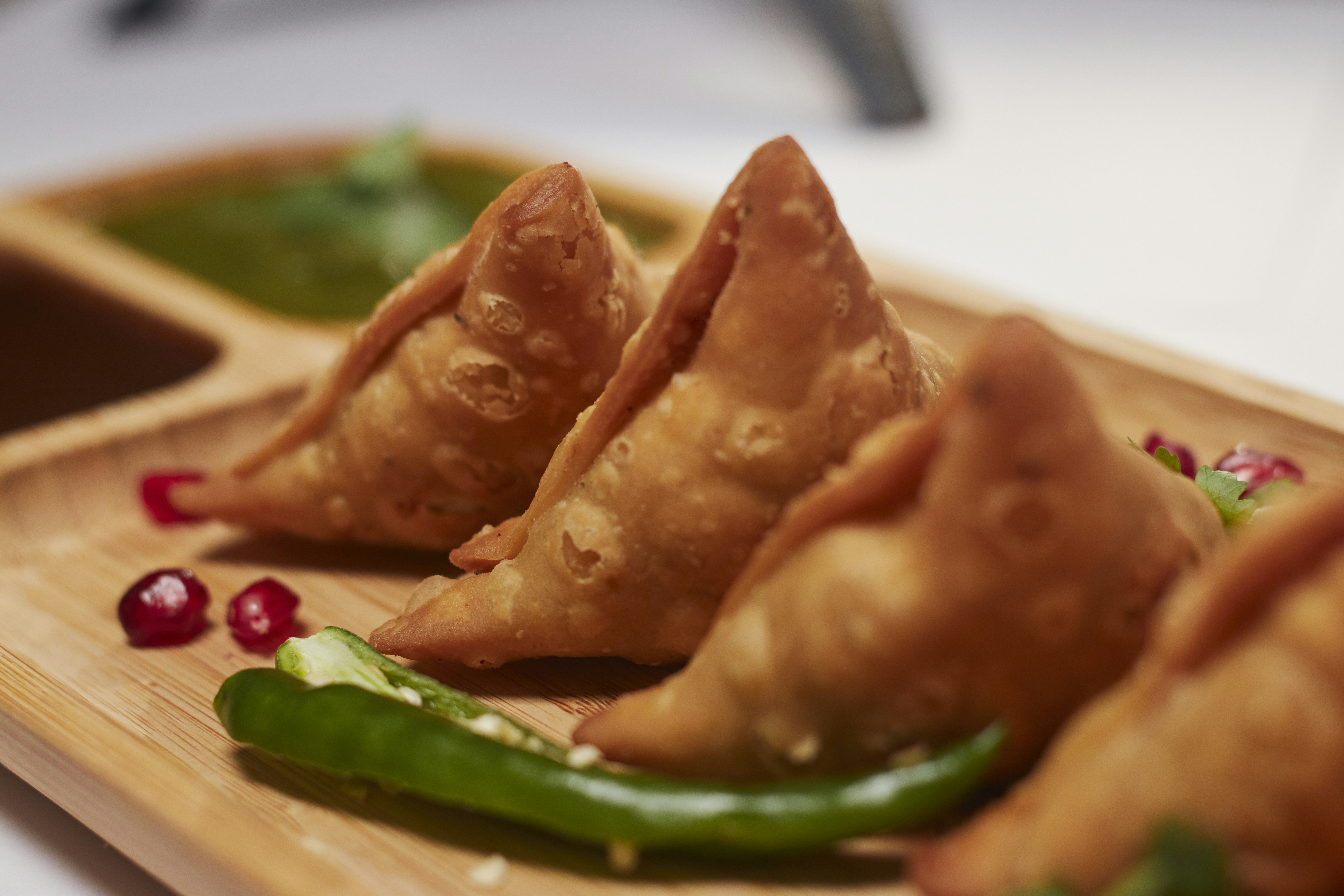
Key Ingredients for Perfect Vietnamese Spring Rolls Recipe
The foundation of a great vietnamese spring rolls recipe starts with quality rice paper wrappers. Look for the thin, round sheets at Asian grocery stores. Fresh herbs – particularly Thai basil, mint, and cilantro – are essential for authentic flavor. Don’t skip these; they provide the signature taste that makes goi cuon so special.
For protein, this vietnamese spring rolls recipe uses cooked shrimp and pork, but you can easily substitute chicken, tofu, or keep it completely vegetarian. Rice vermicelli noodles add substance and texture, while lettuce and vegetables provide crunch. According to Serious Eats culinary experts, the key to authentic Vietnamese spring rolls is using the freshest possible ingredients. Pair these rolls with our authentic beef pho recipe for a complete Vietnamese meal experience.
Step-by-Step Vietnamese Spring Rolls Recipe
Fresh Vietnamese Spring Rolls (Goi Cuon)
Light and refreshing Vietnamese spring rolls filled with shrimp, pork, fresh herbs, and vermicelli noodles. Served with a rich peanut dipping sauce.
Ingredients
For the Spring Rolls:
- 12 rice paper wrappers (8-inch round)
- 12 large shrimp, cooked, peeled, and halved lengthwise
- 8 oz pork tenderloin, cooked and thinly sliced
- 2 oz rice vermicelli noodles
- 1 head butter lettuce, leaves separated
- 1 large carrot, julienned
- 1 cucumber, julienned
- 1 cup fresh Thai basil leaves
- 1 cup fresh mint leaves
- 1 cup fresh cilantro
- Green leaf lettuce for serving
For the Peanut Dipping Sauce:
- 1/4 cup creamy peanut butter
- 2 tbsp hoisin sauce
- 1 tbsp soy sauce
- 2 tbsp water
- 1 tbsp rice vinegar
- 1 tbsp honey
- 1 garlic clove, minced
- 1 tsp sriracha (optional)
- 2 tbsp crushed peanuts for garnish
Instructions
Prepare the Ingredients:
- Cook proteins: Boil shrimp in salted water for 2-3 minutes until pink and opaque. Drain and cool. Cook pork tenderloin by simmering in water for 15 minutes until cooked through. Cool and slice thinly.
- Prepare noodles: Cook rice vermicelli according to package directions (usually soaking in hot water for 5 minutes). Drain, rinse with cold water, and cut into 3-inch lengths.
- Prep vegetables and herbs: Wash all vegetables and herbs. Julienne carrots and cucumber into thin matchsticks. Separate lettuce leaves. Arrange all ingredients on a large platter for easy assembly.
Make the Peanut Sauce:
- Combine sauce ingredients: In a small bowl, whisk together peanut butter, hoisin sauce, soy sauce, water, rice vinegar, honey, minced garlic, and sriracha until smooth. If too thick, add water one teaspoon at a time. Set aside.
Assemble the Spring Rolls:
- Prepare workspace: Fill a large shallow dish or pie plate with warm water. Have a clean, damp cutting board or plate ready for rolling.
- Soften rice paper: Dip one rice paper wrapper in warm water for 3-5 seconds, just until it begins to soften. Don’t oversoak – it will continue softening as you work. Place on your damp surface.
- Layer ingredients: On the lower third of the rice paper, place a lettuce leaf. Top with a small handful of vermicelli noodles, 2-3 slices of pork, some julienned vegetables, and a few leaves each of mint, basil, and cilantro. Don’t overfill – less is more.
- First fold: Fold the bottom edge of rice paper over the filling tightly, tucking it under the filling.
- Fold sides: Fold in both left and right sides toward the center, creating an envelope shape.
- Add shrimp: Place 2 shrimp halves (cut side down) horizontally on the wrapper where you’ll continue rolling. This creates the beautiful presentation where you can see the pink shrimp through the wrapper.
- Final roll: Continue rolling tightly toward the top edge, keeping constant tension. The rice paper will seal itself. Place seam-side down on a serving platter.
- Repeat: Continue with remaining wrappers and filling. Keep finished rolls covered with a damp towel to prevent drying.
Serve:
- Presentation: Arrange Vietnamese spring rolls on a platter lined with green leaf lettuce. Serve the peanut sauce in small individual bowls or one large bowl. Garnish sauce with crushed peanuts.
- Serving suggestion: Each roll can be eaten whole or cut in half diagonally with a sharp knife for easier eating. Dip in peanut sauce before each bite.
Recipe Notes
- Rice paper wrappers stick together easily – work with one at a time
- If wrappers tear, simply layer another wrapper over it and continue
- Make rolls up to 4 hours ahead; cover with damp paper towels and plastic wrap
- For vegetarian version, omit shrimp and pork; add tofu, avocado, or more vegetables
- The key to perfect rolls is not overfilling and rolling tightly
Nutrition Information (per roll)
Calories: 145 | Protein: 12g | Carbohydrates: 18g | Fat: 3g | Fiber: 2g
Expert Tips for Rolling the Perfect Vietnamese Spring Rolls Recipe
The secret to beautiful Vietnamese spring rolls is all in the rolling technique. Work with slightly damp hands to prevent sticking, and don’t be discouraged if your first few attempts aren’t perfect. Like any skill, mastering this vietnamese spring rolls recipe improves with practice.

Temperature matters when working with rice paper. If the water is too hot, the wrappers become too soft and tear easily. If too cold, they won’t soften enough. Room temperature to slightly warm water works best for this vietnamese spring rolls recipe. The Kitchn recommends using a pie dish with warm water for the easiest wrapper preparation.
Customizing Your Vietnamese Spring Rolls Recipe
This vietnamese spring rolls recipe is incredibly versatile. Create a vegetarian version by using marinated tofu, avocado slices, and extra vegetables. For a low-carb option, skip the vermicelli noodles and add more vegetables and protein.
Experiment with different herbs like perilla leaves (shiso), chives, or Vietnamese coriander for varied flavors. Some prefer adding thin rice paper wrappers with pre-cooked ingredients like grilled chicken or beef. The possibilities are endless while maintaining the authentic essence of this vietnamese spring rolls recipe.
Making Ahead and Storage Tips
Vietnamese spring rolls are best enjoyed within a few hours of making them, but they can be prepared ahead for parties or meal prep. Once assembled using this vietnamese spring rolls recipe, wrap them individually in plastic wrap and store in an airtight container in the refrigerator for up to 4 hours.
To prevent the rice paper from drying out and cracking, place a damp paper towel between layers of rolls. The peanut sauce can be made up to 3 days ahead and stored in the refrigerator. Just give it a good stir before serving as it may thicken when cold.
Perfect Pairings and Serving Suggestions
This vietnamese spring rolls recipe makes an excellent appetizer before serving our homemade beef pho or spicy tom yum soup. They’re also perfect for parties, picnics, or as a light lunch option. The combination of fresh flavors and satisfying textures makes them universally appealing.
For beverages, pair these rolls with Vietnamese iced coffee, fresh lime soda, or jasmine tea. The refreshing nature of the rolls complements both hot and cold drinks beautifully. If you’re exploring other Asian appetizers, check out this authentic Pad Thai recipe which offers another delicious Thai option to serve alongside your spring rolls.
Alternative Dipping Sauces for Vietnamese Spring Rolls Recipe
While peanut sauce is traditional and delicious with this vietnamese spring rolls recipe, these rolls also pair wonderfully with nuoc cham – a tangy Vietnamese dipping sauce made with fish sauce, lime juice, sugar, garlic, and chili. You can also serve them with sweet chili sauce or a light soy-based dipping sauce.

For variety, try making both peanut sauce and nuoc cham to give your guests options. Some diners prefer the creamy richness of peanut sauce, while others love the bright, tangy notes of nuoc cham. Having multiple sauce options elevates the dining experience and accommodates different taste preferences. Bon Appétit has an excellent guide to making authentic nuoc cham sauce.
Creating an Asian Fusion Menu
This vietnamese spring rolls recipe works beautifully as part of an Asian fusion dinner party. Start with these fresh rolls as an appetizer, then serve a main course like our tom yum soup or beef pho. For dessert, consider mango sticky rice or coconut ice cream to complete the Southeast Asian theme.
If you’re planning a broader Asian menu, you could also incorporate Italian-Asian fusion by serving these rolls alongside a classic spaghetti carbonara for an interesting East-meets-West dinner party. The light, fresh spring rolls provide a perfect contrast to the rich, creamy carbonara, creating a memorable dining experience that showcases culinary diversity.
Common Mistakes to Avoid with Vietnamese Spring Rolls Recipe
The most common mistake when making this vietnamese spring rolls recipe is oversoaking the rice paper. Remember, the wrappers continue to soften after you remove them from water. A quick 3-5 second dip is sufficient.
Another pitfall is overfilling the rolls. This makes them difficult to roll tightly and can cause tearing. Start with less filling than you think you need – you can always add more to the next roll if needed. Practice makes perfect with this vietnamese spring rolls recipe.
Nutritional Benefits of This Vietnamese Spring Rolls Recipe
This vietnamese spring rolls recipe is a nutritionist’s dream – low in calories, high in vegetables, and packed with lean protein from shrimp. The rice paper wrappers are naturally gluten-free and fat-free, making them suitable for various dietary restrictions.
Fresh herbs like mint, basil, and cilantro provide antioxidants and aid digestion. The vegetables offer fiber, vitamins, and minerals, while shrimp delivers protein and omega-3 fatty acids. According to Healthline, Vietnamese cuisine is among the healthiest in the world, and this vietnamese spring rolls recipe exemplifies why.
History and Cultural Significance
Vietnamese spring rolls, or goi cuon, have been a staple of Vietnamese cuisine for generations. Unlike Chinese spring rolls which are fried, Vietnamese versions are served fresh and cold, reflecting the Vietnamese preference for light, fresh, herb-forward dishes. This vietnamese spring rolls recipe represents centuries of culinary tradition passed down through families.
The transparency of the rice paper wrapper is symbolic in Vietnamese culture, representing honesty and purity. Each ingredient remains visible, showcasing the natural beauty of fresh foods. Learning this vietnamese spring rolls recipe connects you to this rich cultural heritage.
Frequently Asked Questions About Vietnamese Spring Rolls Recipe
Can I make this vietnamese spring rolls recipe ahead of time?
Yes, you can make them up to 4 hours ahead. Keep them covered with damp paper towels and plastic wrap in the refrigerator. They’re best enjoyed fresh but will hold reasonably well.
What if my rice paper keeps tearing when following this vietnamese spring rolls recipe?
Use fresh rice paper (check the expiration date), don’t oversoak them, and avoid overfilling. If a wrapper tears, simply wrap another layer of rice paper around it.
Can I freeze this vietnamese spring rolls recipe?
Fresh spring rolls don’t freeze well as the rice paper becomes tough and the vegetables lose their crispness. It’s best to make them fresh or within a few hours of serving.
What can I substitute for shrimp in this vietnamese spring rolls recipe?
Try cooked chicken, grilled beef, tofu, or keep them completely vegetarian with just vegetables and herbs. The rolling technique remains the same regardless of filling.
Where can I buy rice paper wrappers for this vietnamese spring rolls recipe?
Rice paper wrappers are available at most Asian grocery stores, specialty food markets, or online. Look for brands like Three Ladies or Bamboo Tree for quality wrappers.
This vietnamese spring rolls recipe brings the fresh, vibrant flavors of Vietnam to your table with minimal effort. These healthy, delicious rolls are perfect for any occasion – from casual family dinners to elegant parties. The combination of sweet, savory, and herbal flavors wrapped in delicate rice paper is simply irresistible.
Once you master the rolling technique in this vietnamese spring rolls recipe, you’ll find yourself making these regularly. They’re a wonderful way to eat more vegetables, and the interactive nature of rolling your own makes them fun for the whole family. This vietnamese spring rolls recipe is just the beginning – explore our other Vietnamese recipes to create a complete authentic dining experience at home!
 0
0 20
20 20
20 20
20